‘Paintings were valued because of the materials that they contained. But they were also valued because of the mysterious ways craftsmen could convert raw materials into something with fateful power.’ (Bucklow, 2009).

The Pigments
Pigments are made from inorganic (metals and some minerals) or organic raw materials (plants & animals) and are transformed into paint using a range of different techniques; employing both mechanical and chemical procedures.
Those pigments available to medieval and renaissance artists and illuminators would have included of a range of mineral and organic materials. For the late-medieval period that I am concerned with, these include:
- Vermillion: from the powdered mineral cinnabar (a form of mercury sulfide – HgS)
- Red organic colourants: madder, harvested from the root of Rubia tinctorum. Kermes was the main source of insect colour in Europe prior to the 1520s. Also known as Polish cochineal.
- Red Lead: minium, also known as red lead or red lead oxide, is a bright orange red pigment that was widely used in the Middle Ages (Pb₃O₄).
- Orpiment: orpiment is a transparent, yellow-orange to golden-yellow arsenic sulfide mineral (As₂S₃).
- Lead-tin yellow: a Bright yellow first used in the Middle Ages as a replacement for Orpiment (Pb2SnO4 ).
- Verdigris: verdigris is a bluish-green or greenish-blue patina that forms naturally on copper, brass, and bronze when exposed to atmospheric conditions (Cu(CH3COO)2·H2O).
- Vergaut (orpiment and indigo): vergaut is most often described as a mixture of indigo and orpiment that was used as an alternative to Verdigris by medieval painters.
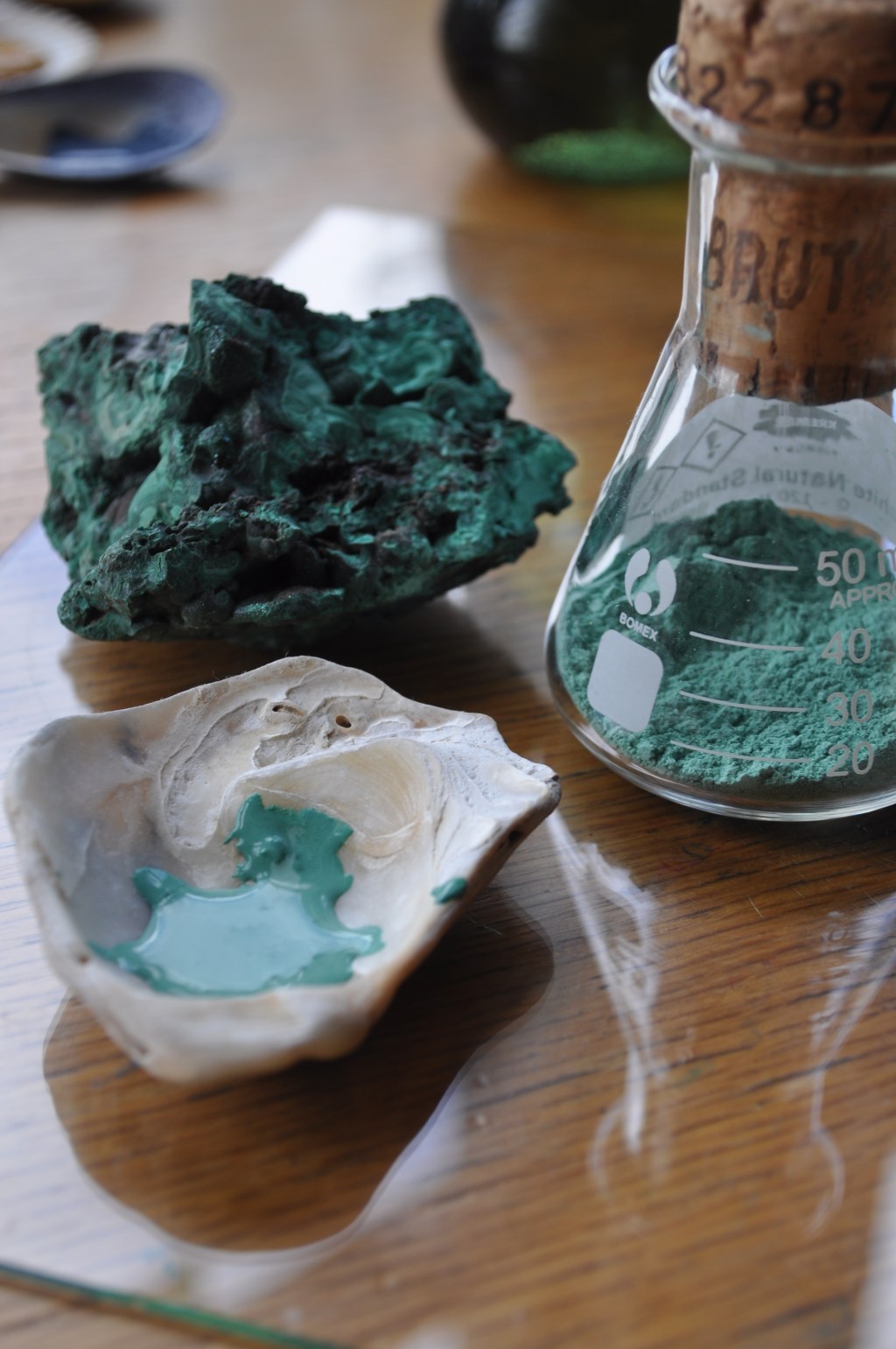
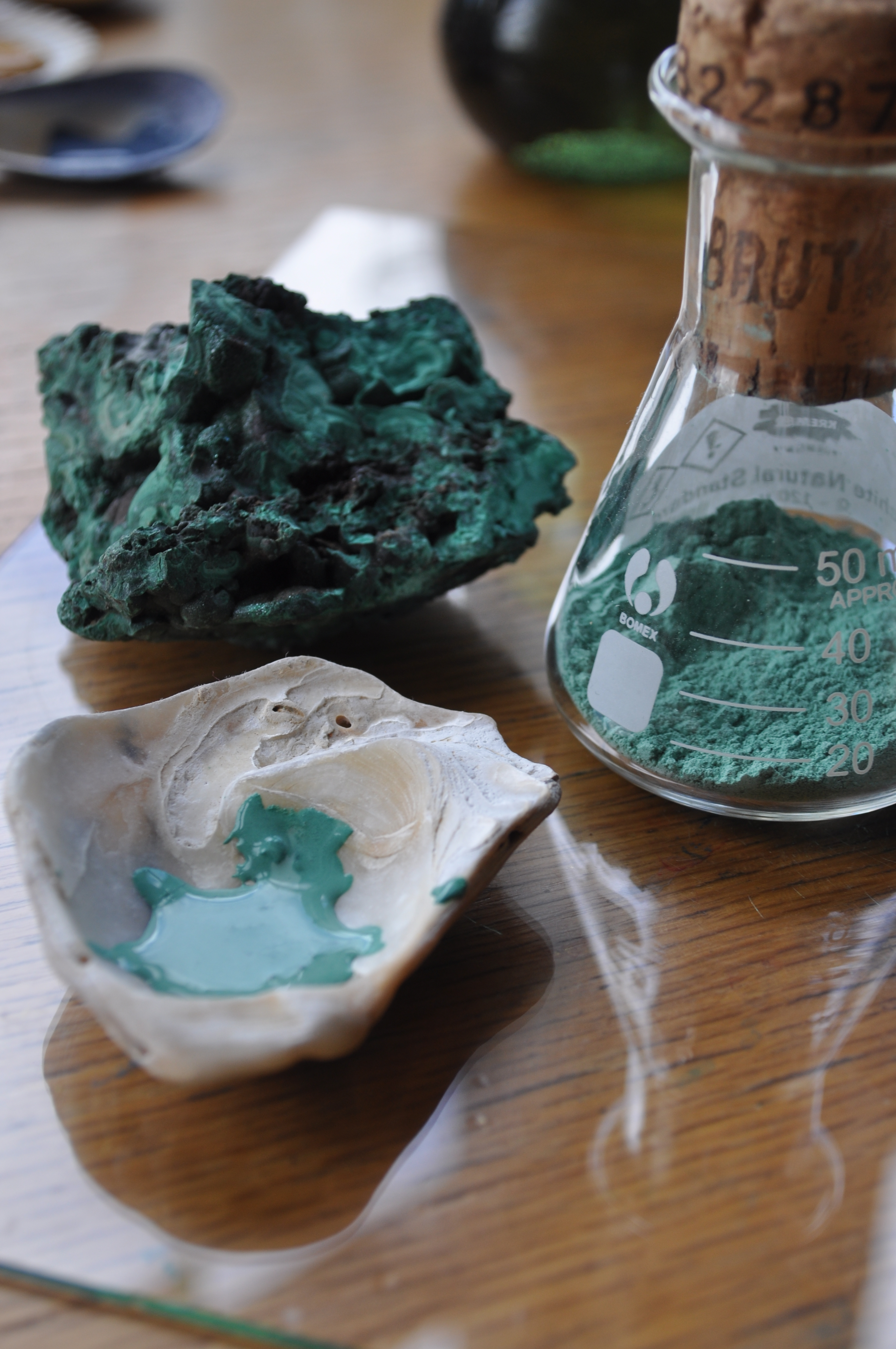
- Copper based mineral greens: malachite is a copper carbonate hydroxide mineral (Cu2CO3(OH)2).
- Indigo: indigo is an organic compound with a distinctive blue color. It is a natural dye obtained from the leaves of some plants of the Indigofera genus, in particular Indigofera tinctoria.
- Lapis lazuli: ultramarine is a deep blue pigment which was originally made by grinding lapis lazuli into a powder. Ultramarine comes from the Latin word ultramarinus, meaning ‘beyond the sea,’ as the pigment was imported by Italian traders during the 14th and 15th centuries from mines in Afghanistan (Na, Ca)8Al6Si6O24(S, SO4).
- Azurite: azurite is a blue copper mineral with the chemical formula Cu3(CO3)2(OH)2. It’s known for its vibrant blue colour, which is due to the presence of copper.
- Purple organic colourants: Tyrian purple is a reddish-purple natural dye. The name Tyrian refers to Tyre, Lebanon, once Phoenicia. It is secreted by several species of predatory sea snails in the family Muricidae, rock snails originally known by the name Murex. Orcein is any dye extracted from several species of lichen, commonly known as orchella weeds.
- Carbon black: carbon black is an inorganic synthetic pigment, created by burning natural gases to form an almost pure carbon.
- Lead white: lead white is a thick, opaque, and heavy white pigment composed primarily of basic lead carbonate (2PbCO 3·Pb(OH) 2), with a crystalline molecular structure.
- Mercury white: white mercury typically refers to mercury (II) chloride (HgCl2), a white crystalline solid compound of mercury and chlorine.
- Gold leaf: gold leaf is the most valued form of manuscript gilding, as it creates the illusion of solid gold. It consists of gold hammered extremely thin, or gold powder, bound in gum Arabic or egg; the latter is called shell gold.
- Mosaic gold: an artificial bronze-coloured sulphide of tin (SnS2). Mosaic gold is one of the few materials to have been used by illuminators but not by easel painters. It was in widespread use since at least the late 13th century and was frequently employed alongside gold, rather than as a substitute for the precious metal.
- Silver: used in gilding, is a chemical element with the symbol Ag.
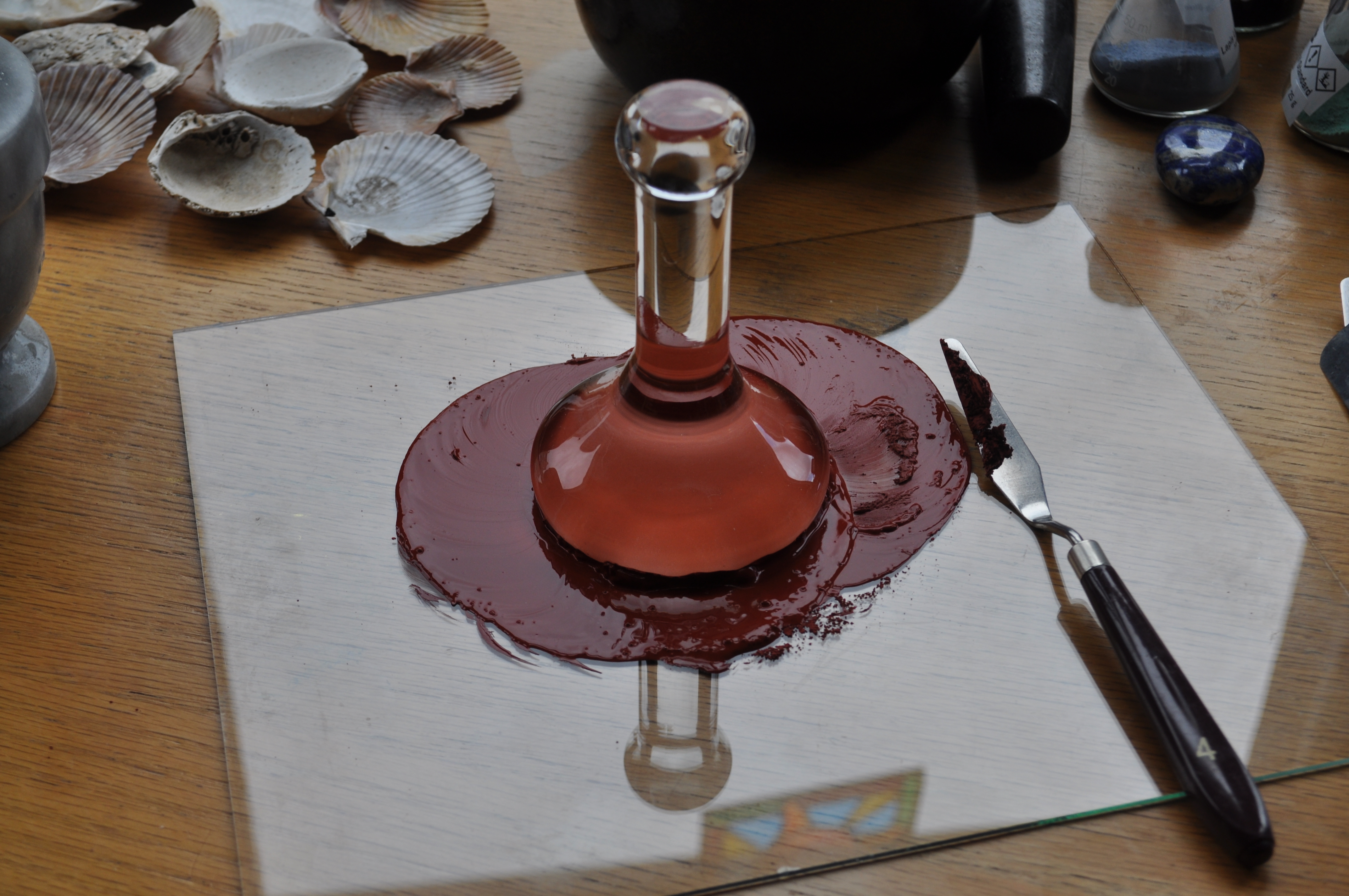
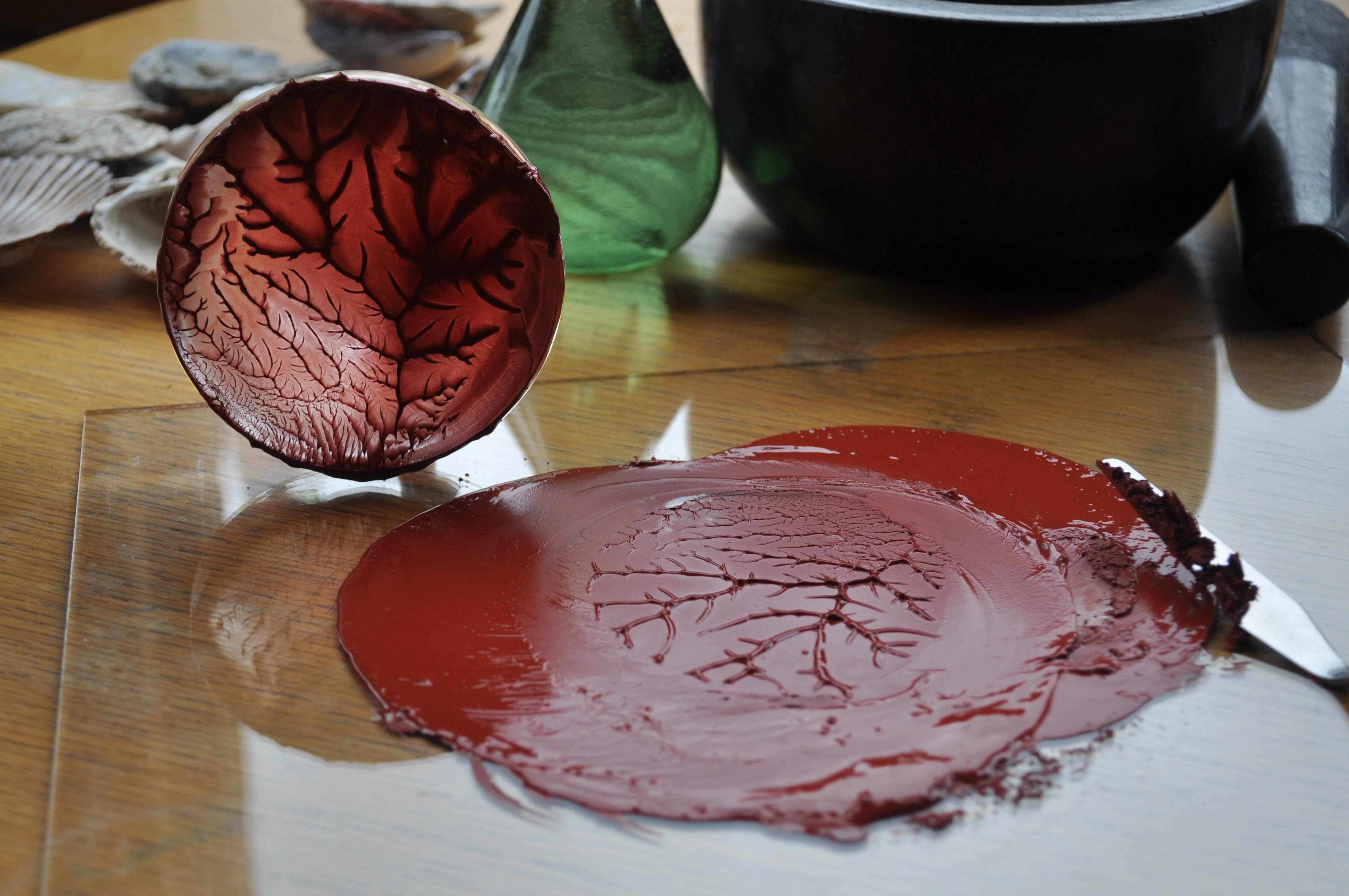
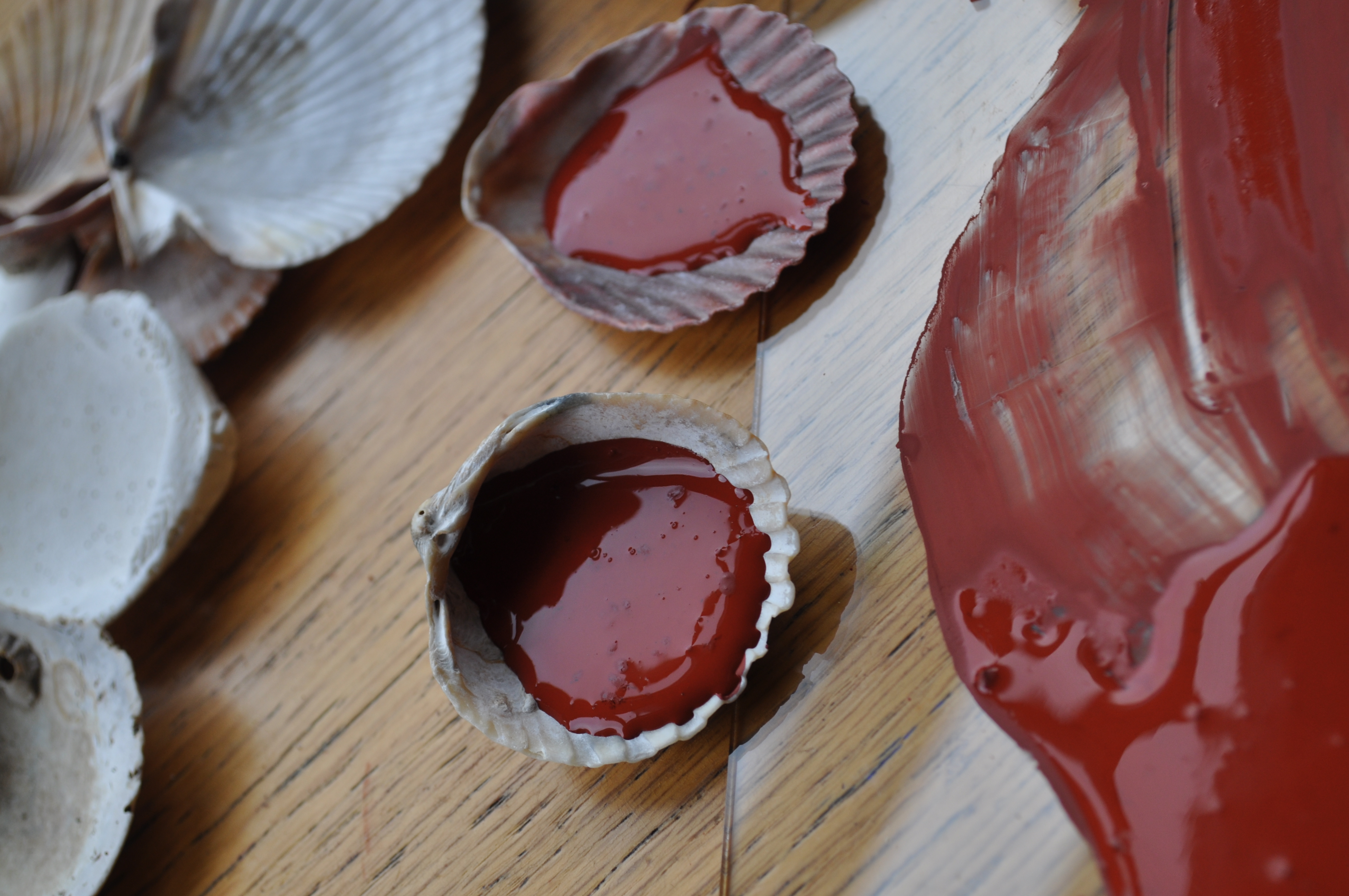

Ingredients
- Powdered pigments. Start with a small amount (10g) and experiment.
- Gum Arabic
- Water (depends on the pigment some take more and some don’t need as much)
- 1 tsp of honey
Method
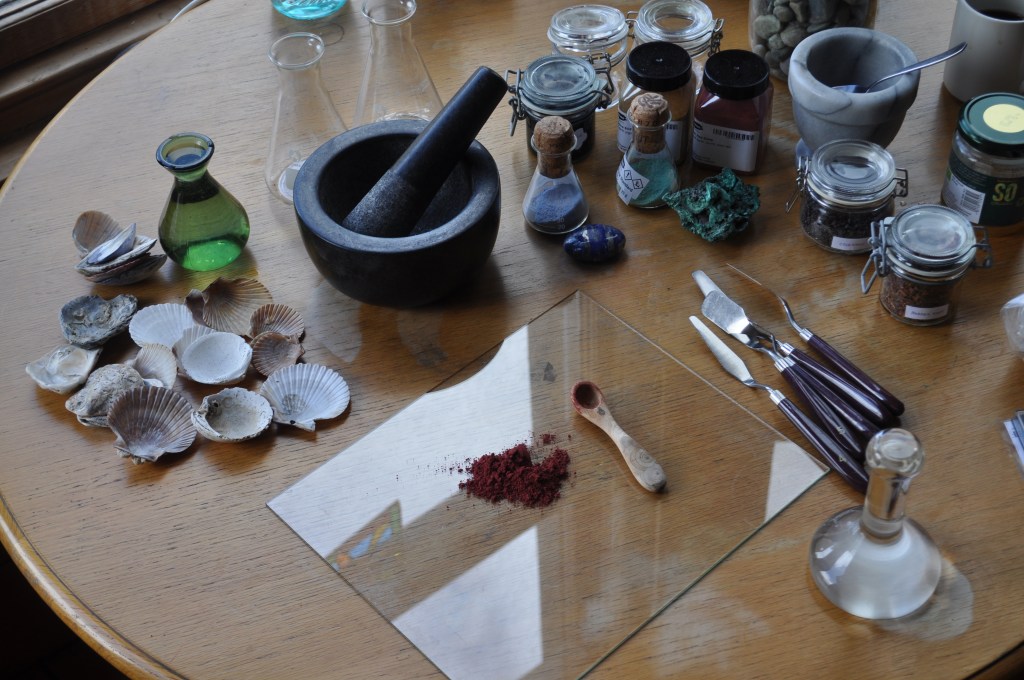
- Grind your mineral or compound with a large and heavy pestle and mortar.
- Place the powdered pigment in the middle of the glass slab.
- make a little dent in the middle of the powder.
- Add a few drops of gum Arabic dissolved in water and start mixing slowly with the palette knife. Add half a teaspoon of honey.
- Add water also by dropping it carefully with a pipette until the mixture is more consistent. However, be careful not to make it too wet.
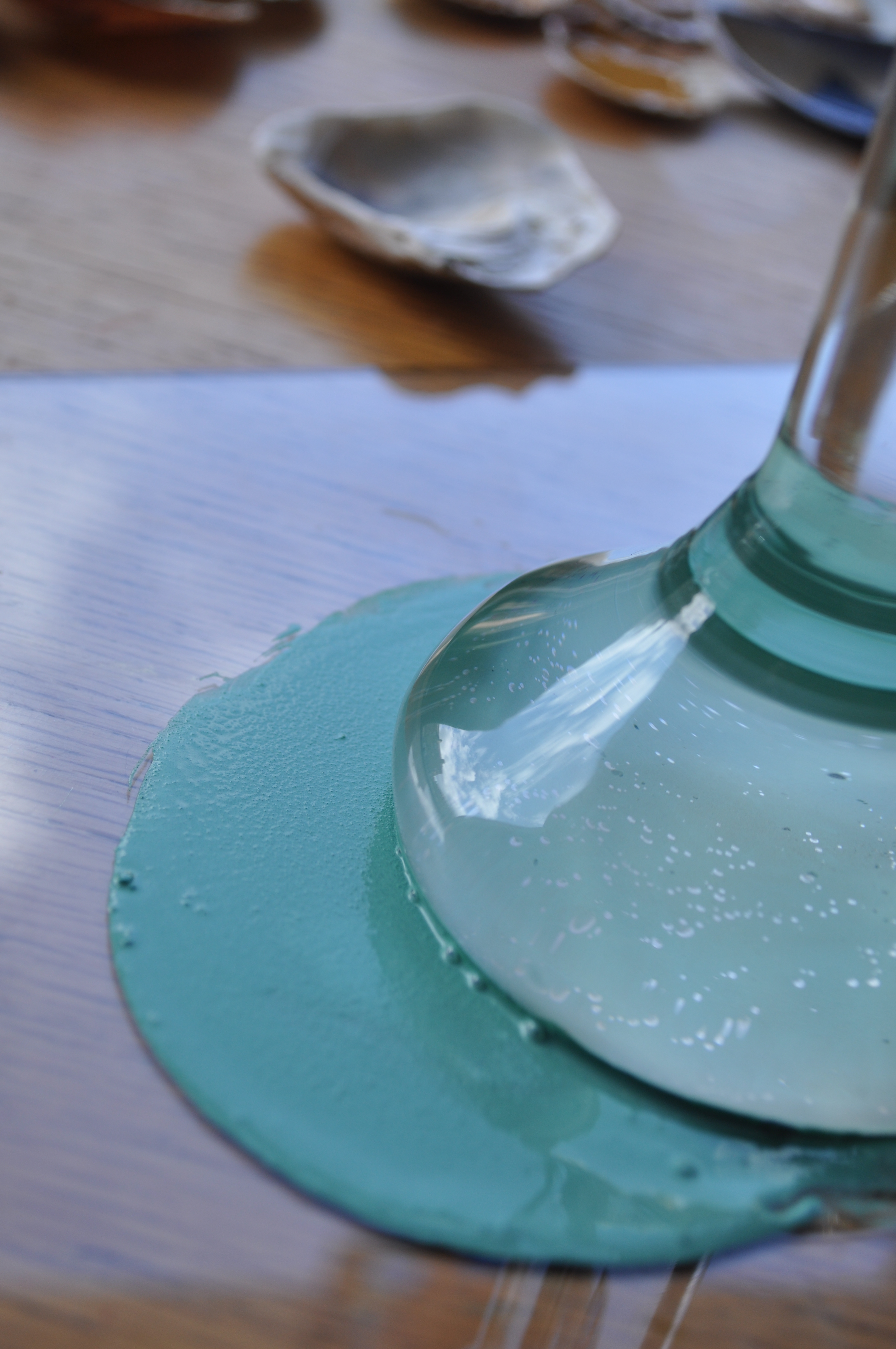
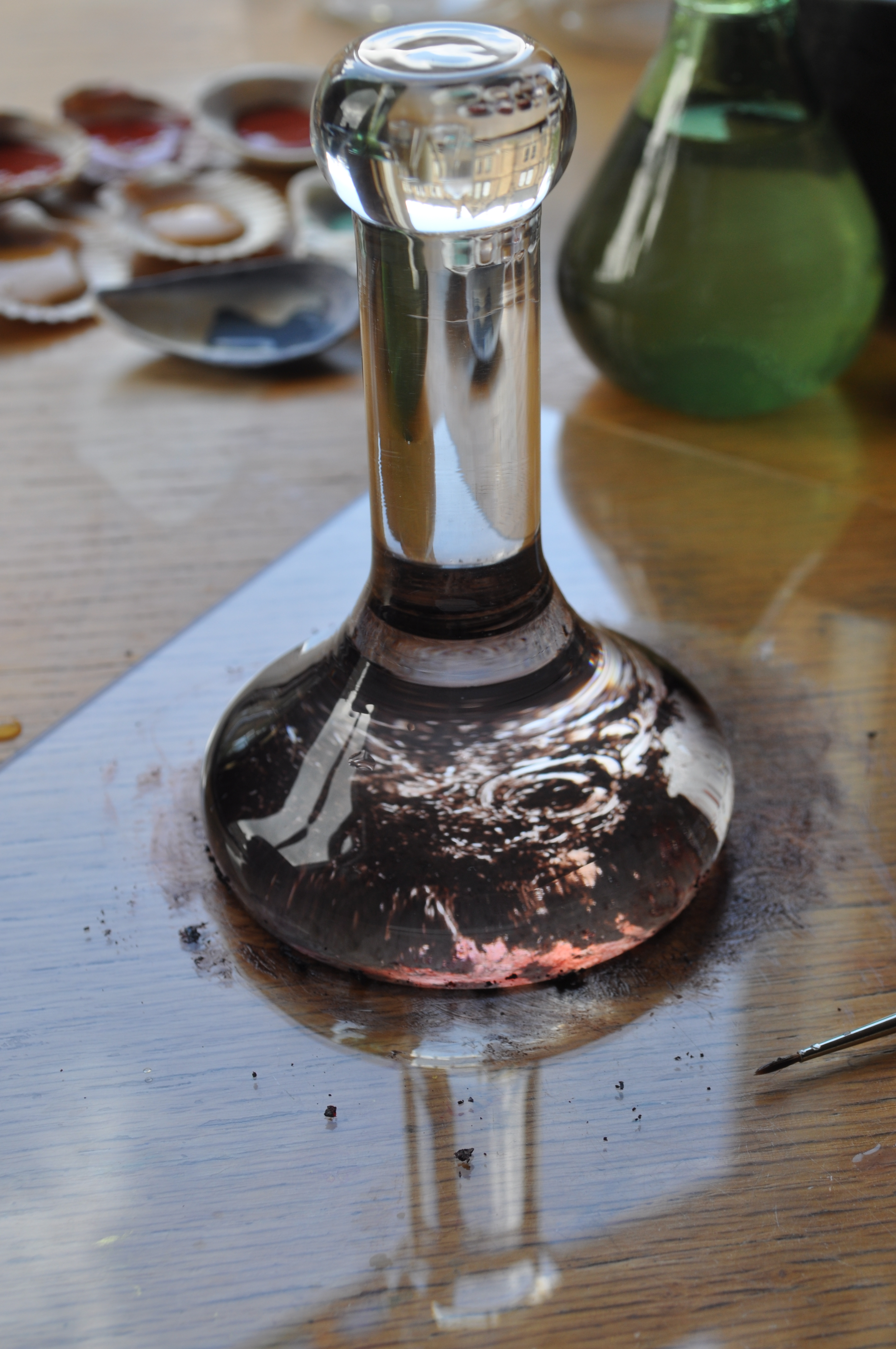
- Place the glass muller on top and start crushing it in circular or figure 8 motion to catch all the particles.
- Keep grinding until the particles are more or less silent or make a gentle swishing noise.
- Once your pigment feels smooth, test it by dipping your brush in the paint and painting a square on a separate sheet of paper. Once the square is dry, rub it with your finger, if the colour comes out even a little then it needs more gum Arabic, but if it doesn’t, it is correct.
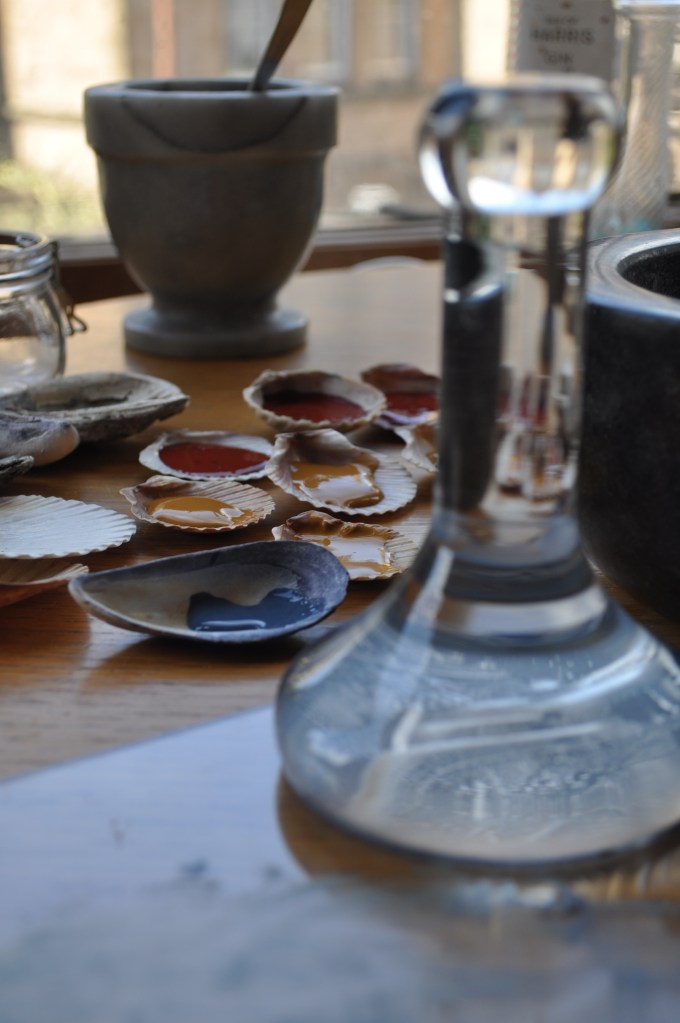
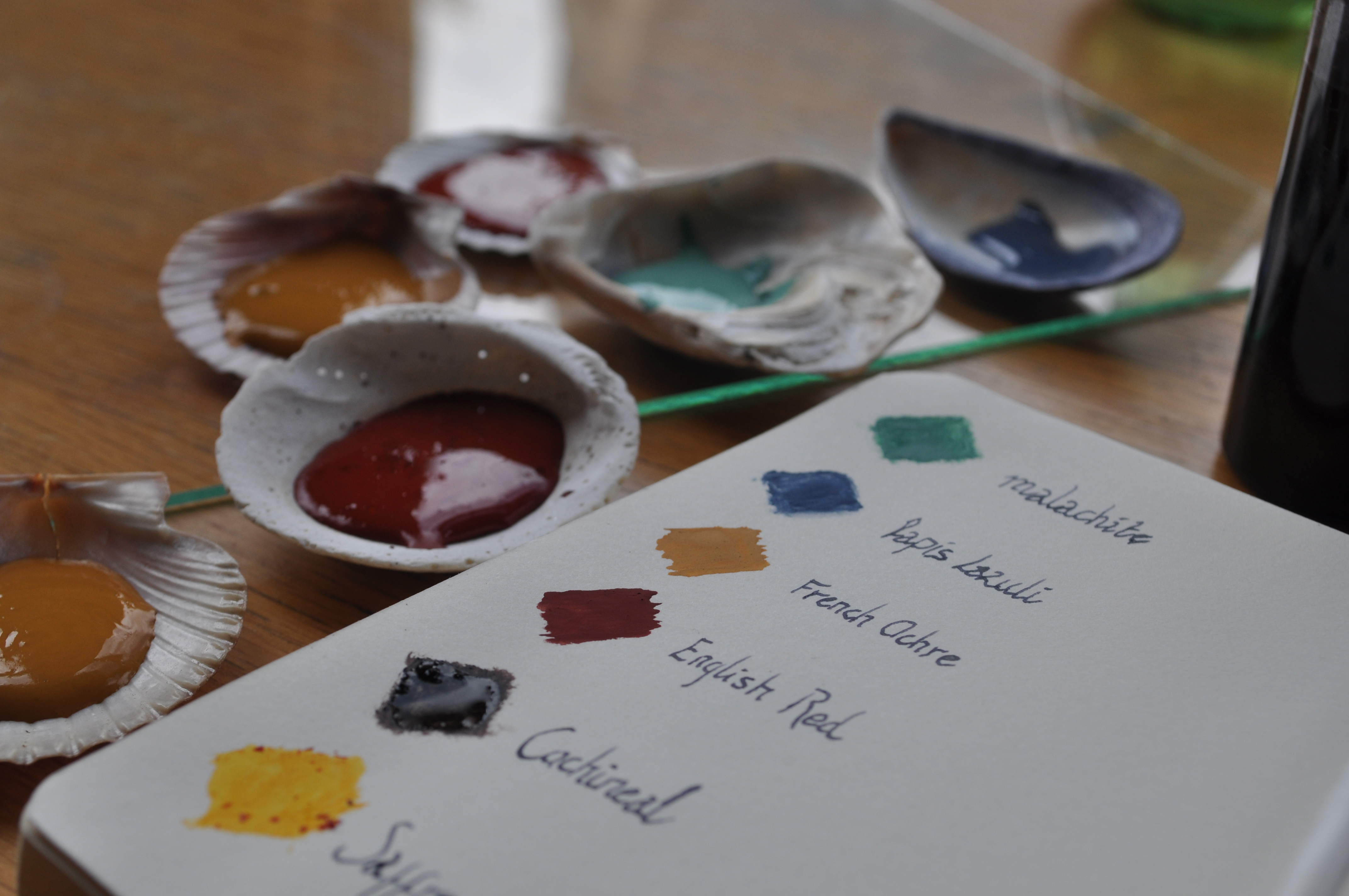
- Transfer the paint from the slab into a shell with a palette knife.
- Clean your worktop and tools carefully.
- You can then rehydrate your paints using a touch of water mixed with a brush.
‘Colour has been turned into an ephemeral commodity. And having been encouraged to take the colour of man-made things as merely conventional or an interchangeable add-on, it is very hard for us to imagine a world where colour had significance in its own right.’ (Bucklow, 2009)
Observations
There are some things you can only learn from ‘doing’ not ‘reading.’
The grinding of different substances can be hard work and experience is needed to judge how much grinding is enough. Working with a muller, sound and listening to your pigment is key; moving from the gritty scraping noise to a soft swish. Judging quantities comes with practice, for one pigment I did not add enough gum Arabic and it dried as chalky and flaky. Lastly – smell – organic compound in particular can smell very different. Cochineal smells terrible in preparation!
Select Bibliography
- Bucklow, Spike. The Alchemy of Paint: Art, Science and Secrets from the Middle Ages ( Marion Boyars Publishers Ltd, 2009).
- Cennini, Cennino, The Craftsman’s Handbook, Dover edition, 1960. Reprint
- Clarke, Mark, The Art of All Colours (Archetype Publications Ltd, 2001)
- Clarke, Mark, Medieval Painters Materials and Techniques (Archetype Publications Ltd, 2011)
- Coles, David, Chromatopia: An Illustrated History of Colour (Thames and Hudson, 2018)
- Merrifield, M.P., Original Treatises dating from the XIIth to XVIIIth centuries on the Arts of Painting 2 vols. (John Murray, London, 1849)
- The Pigments of British Medieval Illuminators; A Scientific and Cultural Study, By Richard Gameson, Andrew Beeby, Flavia Fiorillo, Catherine Nicholson, Paola Ricciardi and Suzanne Reynolds (Archetype Publications Ltd: 2023)




 Bryony Coombs
Leave a comment