This is a brief record of a research trip to Paris in December 2024. More detailed work on this will be forthcoming, but for now, this is just a record of those few days as an important research experience (archived from Bluesky).

🧵In 2024 I have had to squeeze in a good number of research trips to examine manuscripts for the book project, Scotland on Parchment. This trip was a very efficient manuscript research trip.
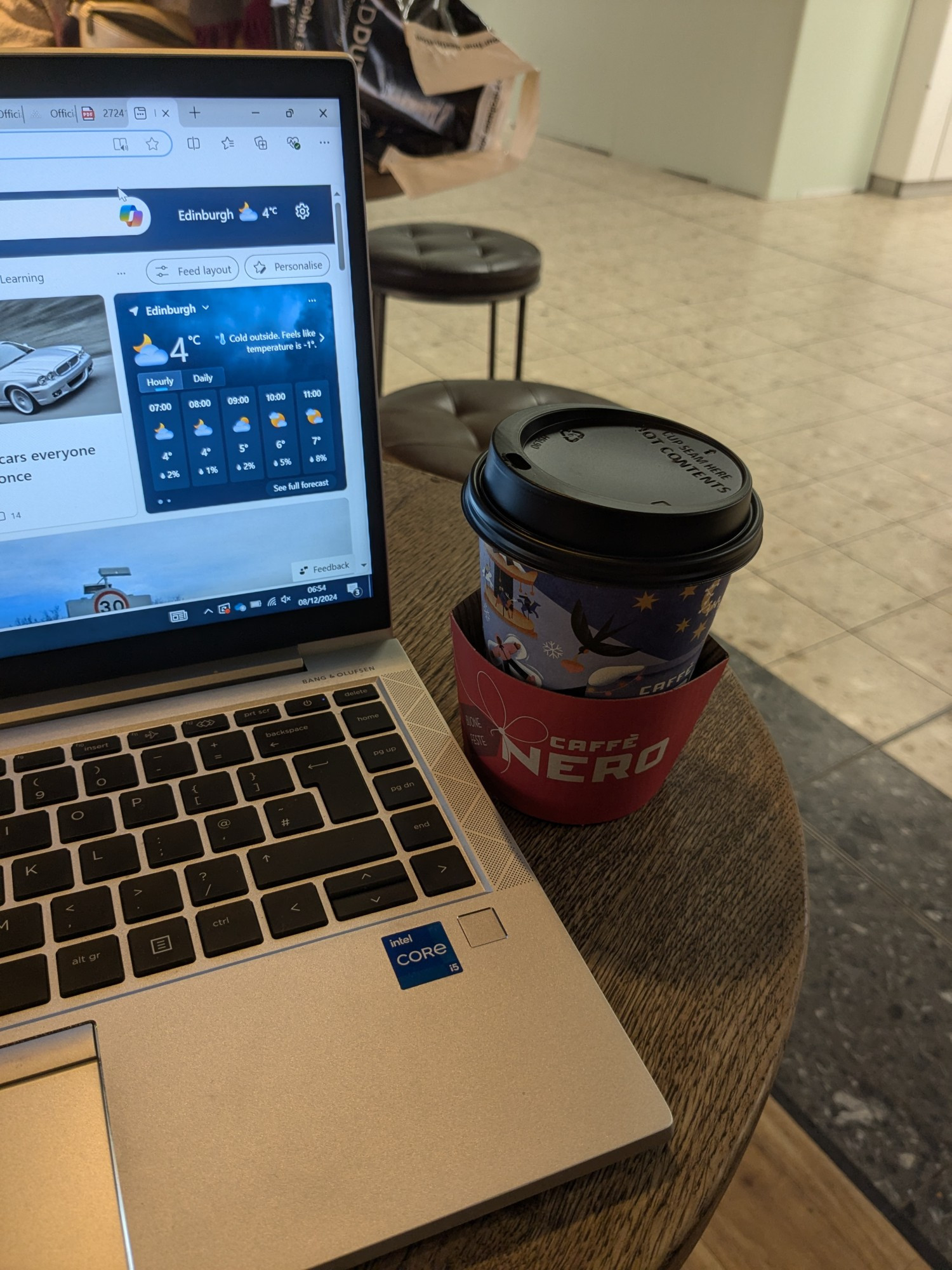
Day 1 involved an early flight from Edinburgh to CDG, Paris. It also necessitated plenty of coffee. On this trip I had wanted to both do some important book research and to squeeze in some teaching preparation too. How did I do?
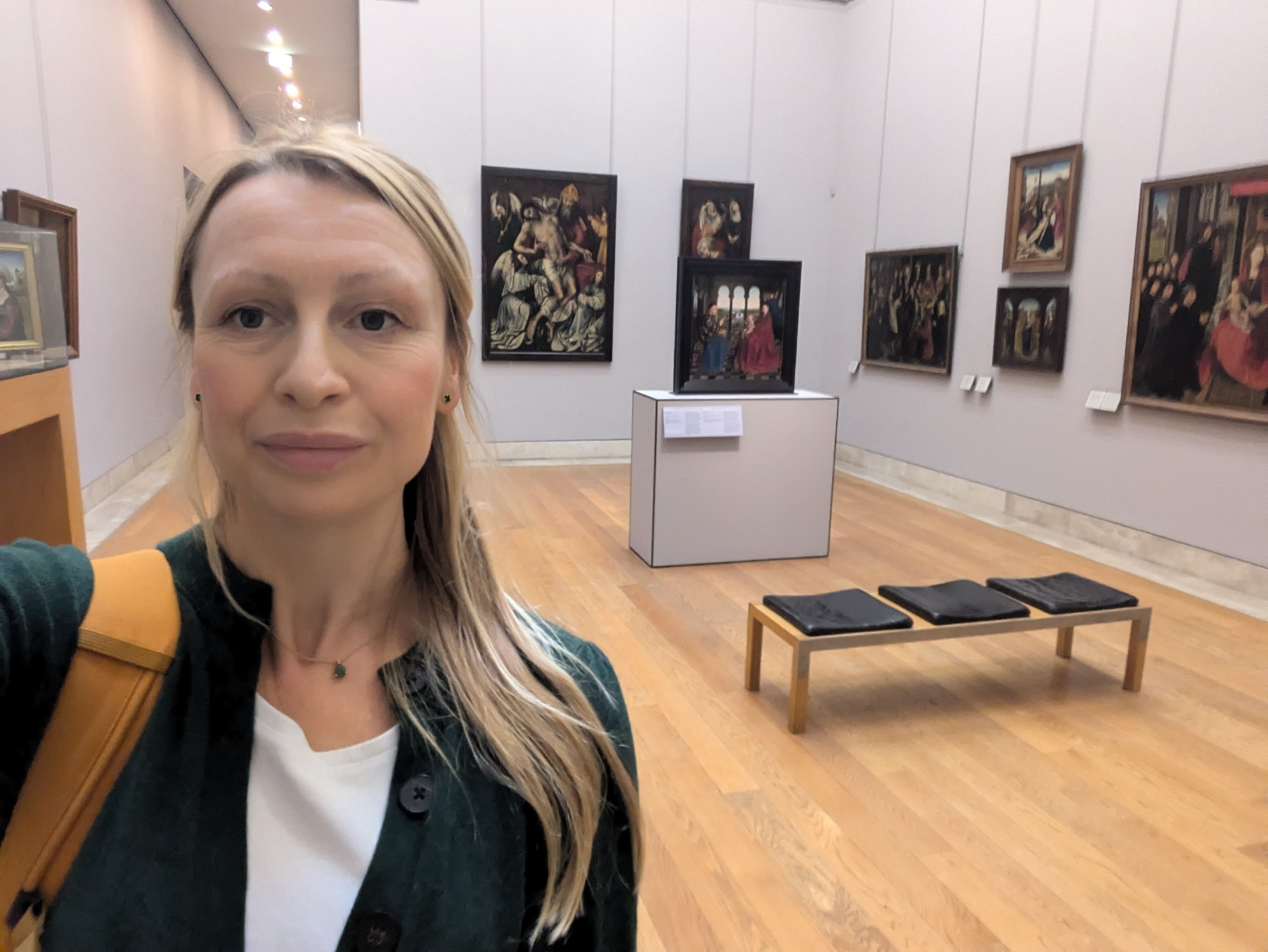

Well all was smooth – the flight was thankfully on time and the connections to RER were not too bad, although there was some disruption due to Notre Dame reopening that weekend and various high-profile figures moving around Paris causing roads to be closed etc.
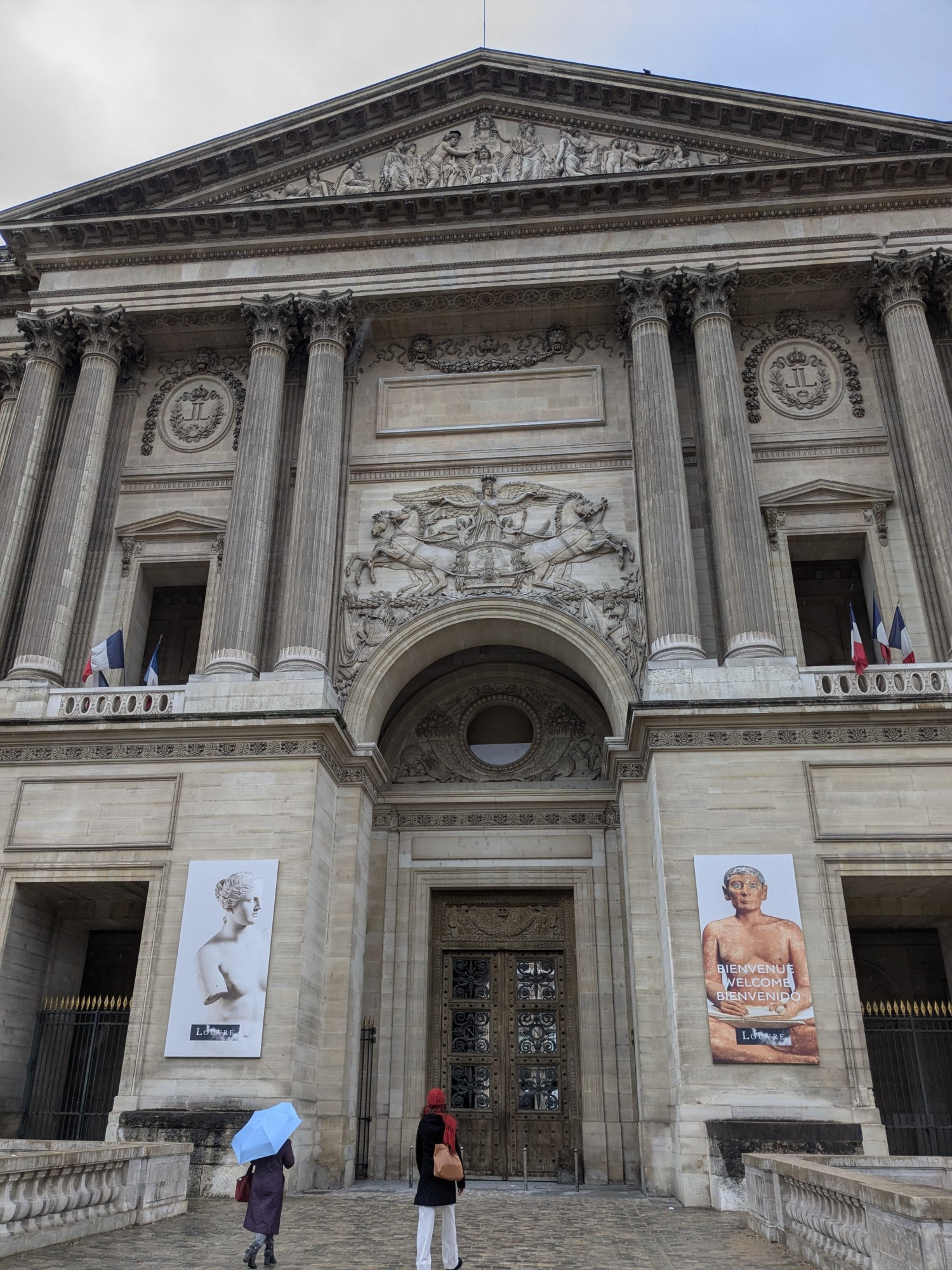
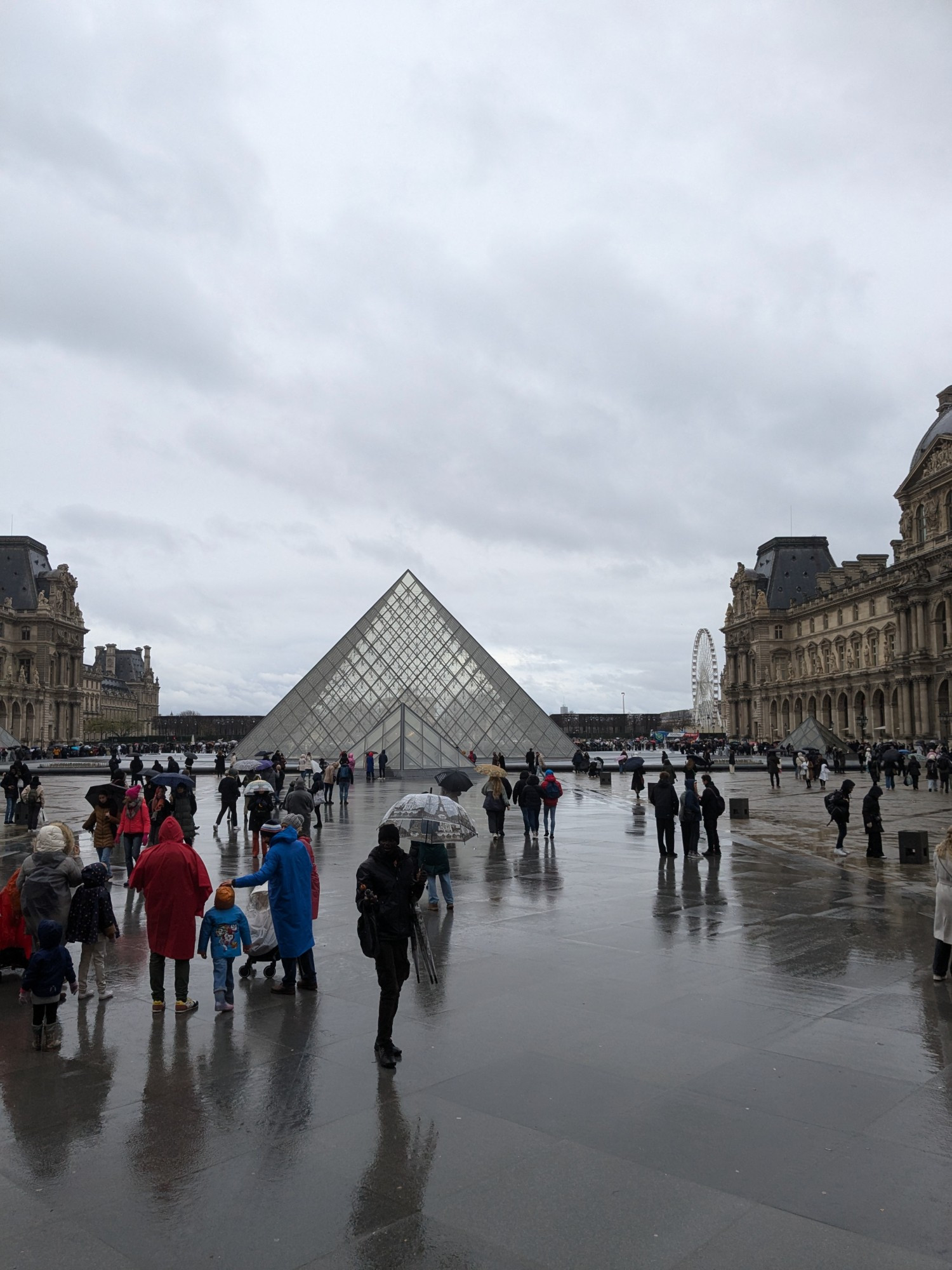
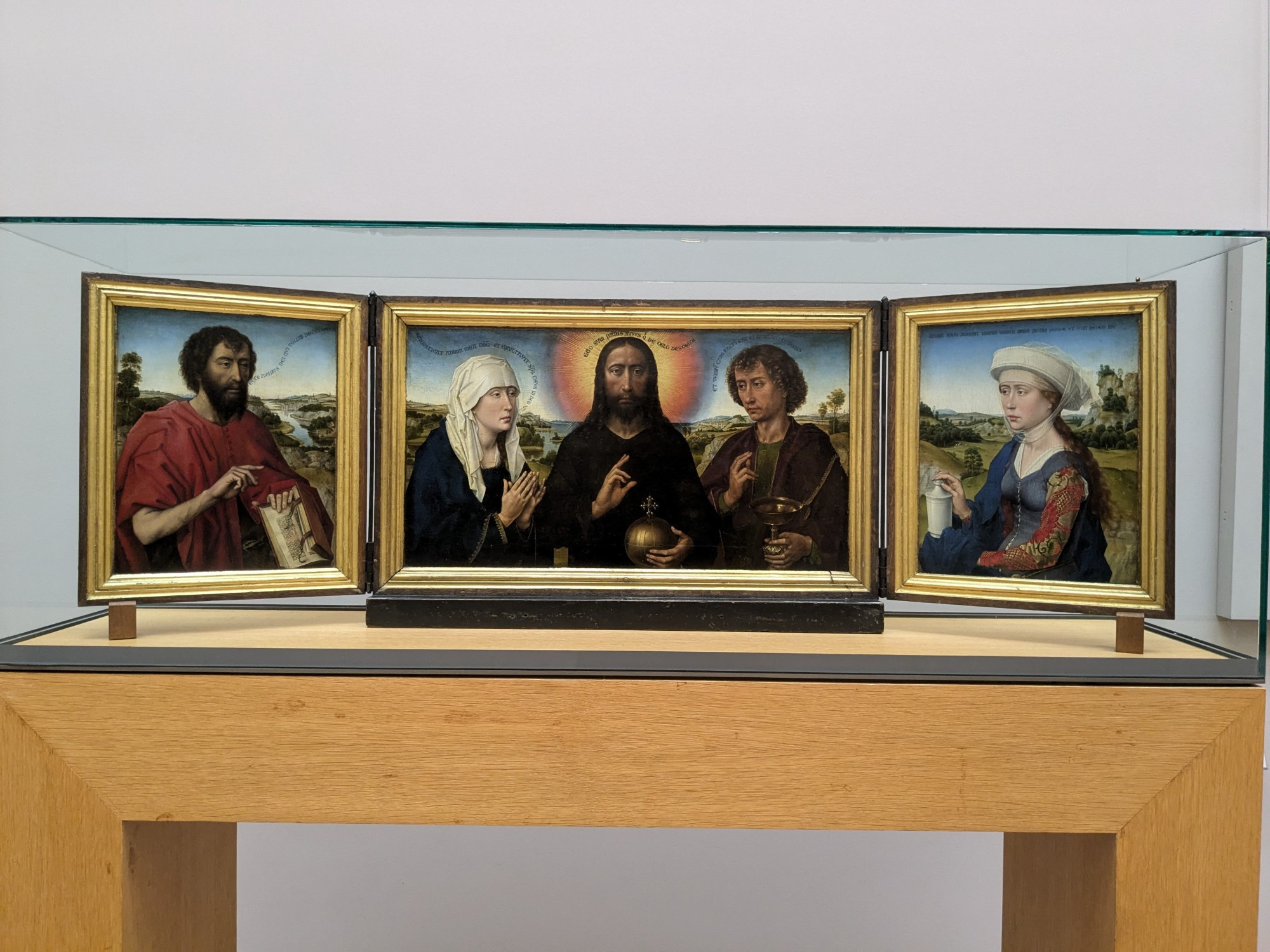
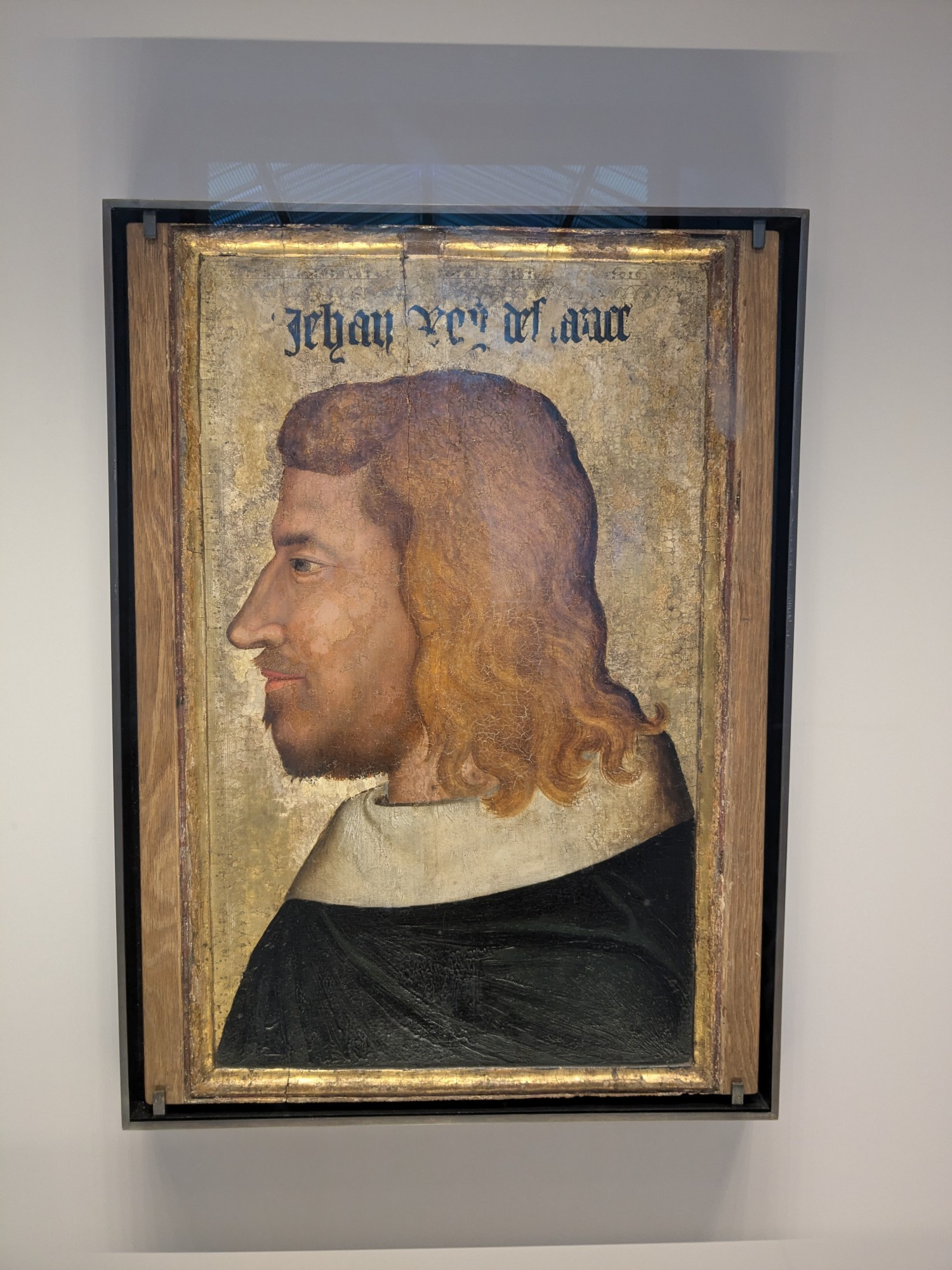
I had booked an optimistic slot at the Louvre online before I had left and was inevitably a little late after passport control and a few minor train issues, nevertheless, they didn’t mind and waived me in regardless. The Louvre is always better to visit with a strict plan if you are tight for time as I was. My plan involved the following works: Weyden, The Braque Triptych, c. 1452; Jean Malouel or the Limbourg Brothers, Christ de pitié; Portrait of Jean le Bon, King of France, c. 1350.
The Christ de pitié panel is of particular interest to me since it was found at the parish church in Vic-le-Comte and is, therefore, potentially connected to John Stuart, duke of Albany. Sometime I hope to work further on this connection.
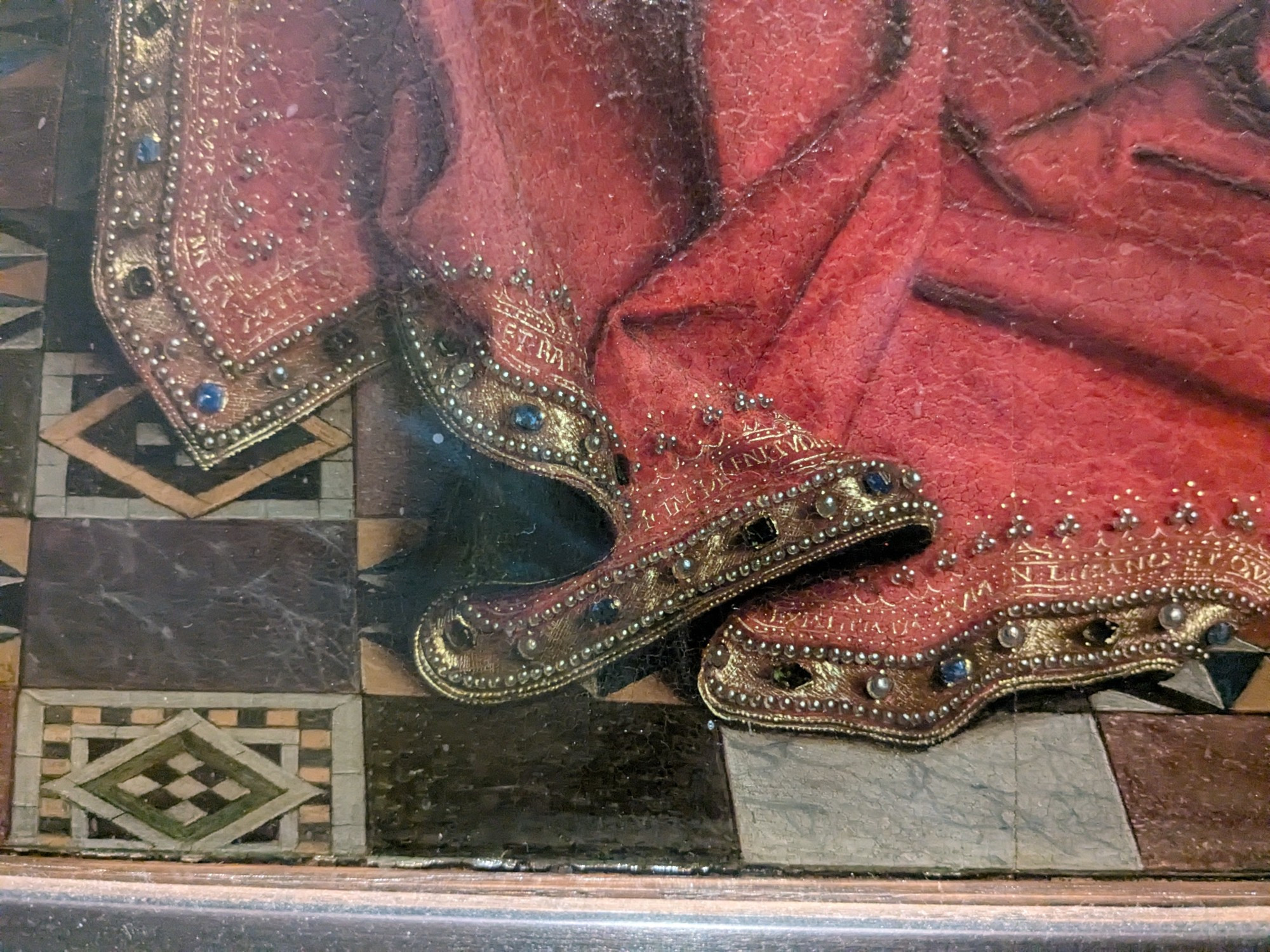
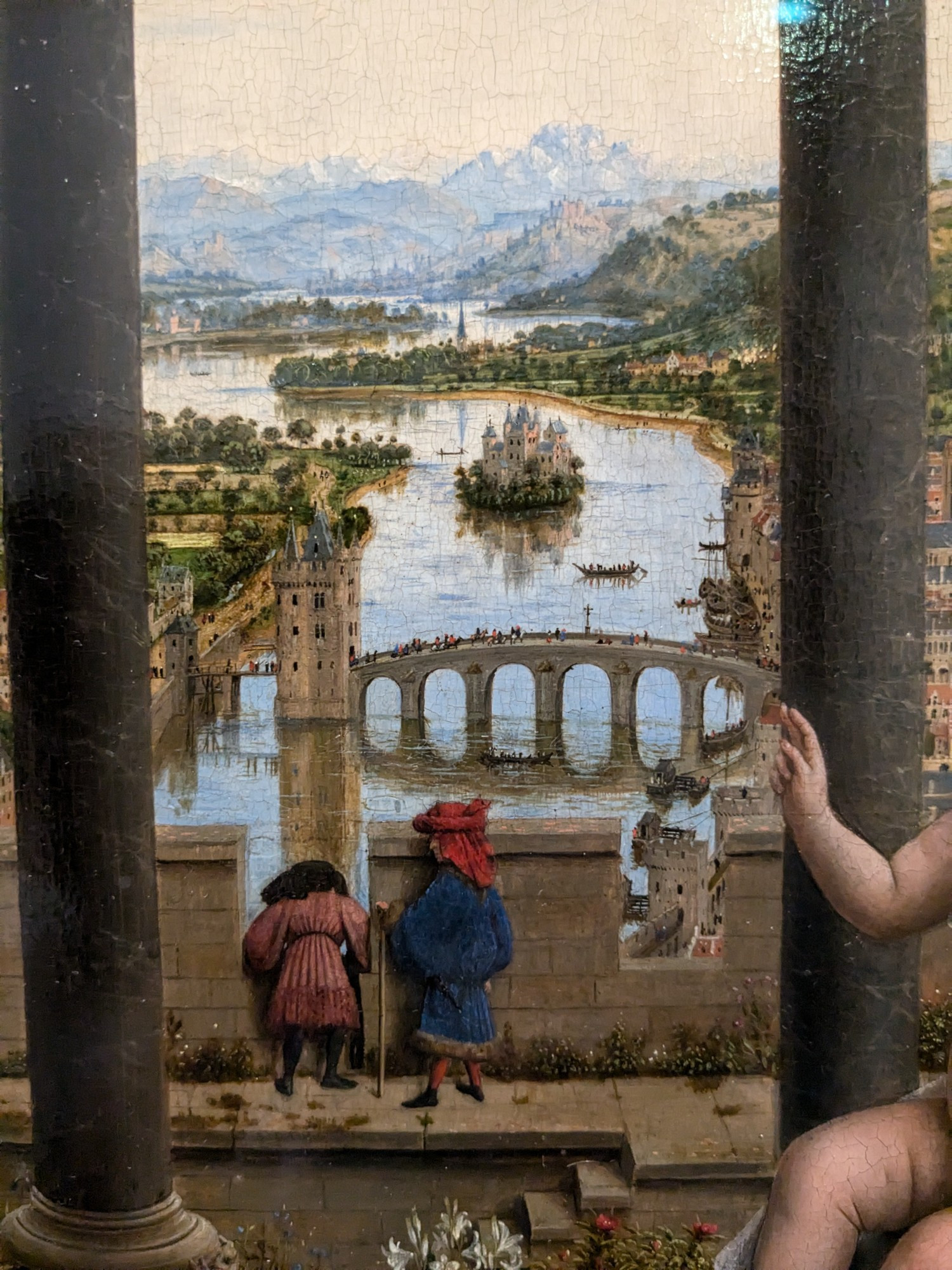
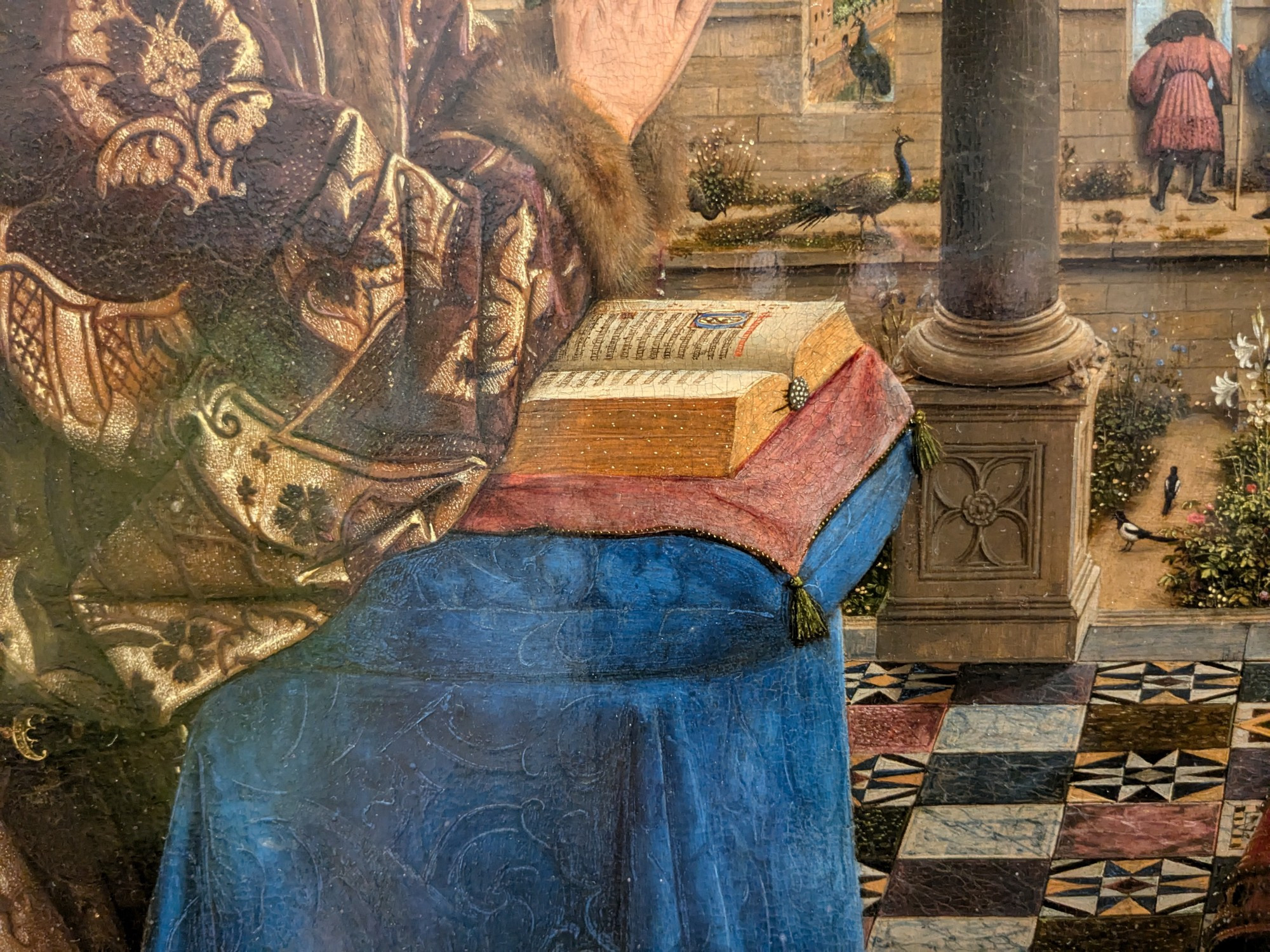

But this (above) was in fact the key reason for my trip to the Louvre – the newly restored Rolin Madonna by Jan van Eyck which will be featuring prominently in a course that I am teaching next semester….
To celebrate the historic conservation work carried out on Jan van Eyck’s famous panel – the first intervention of its kind since the painting entered the museum in 1800 – there was earlier in the summer a small exhibition conceived around this work. I had missed this, however, it was fantastic to be able to scrutinise this work back on display in its usual spot.
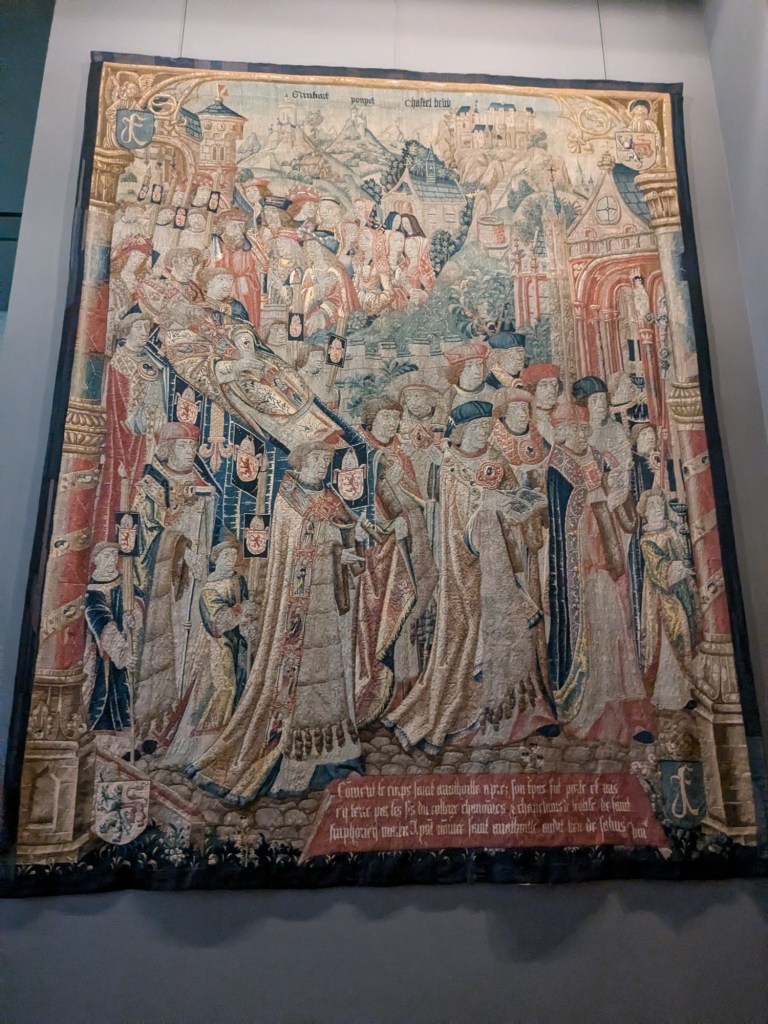
There were, furthermore, other star exhibits that I then had to find like my old friends the St Anatoile tapestries which I have worked extensively on in the past due to their Scottish heraldic iconography.
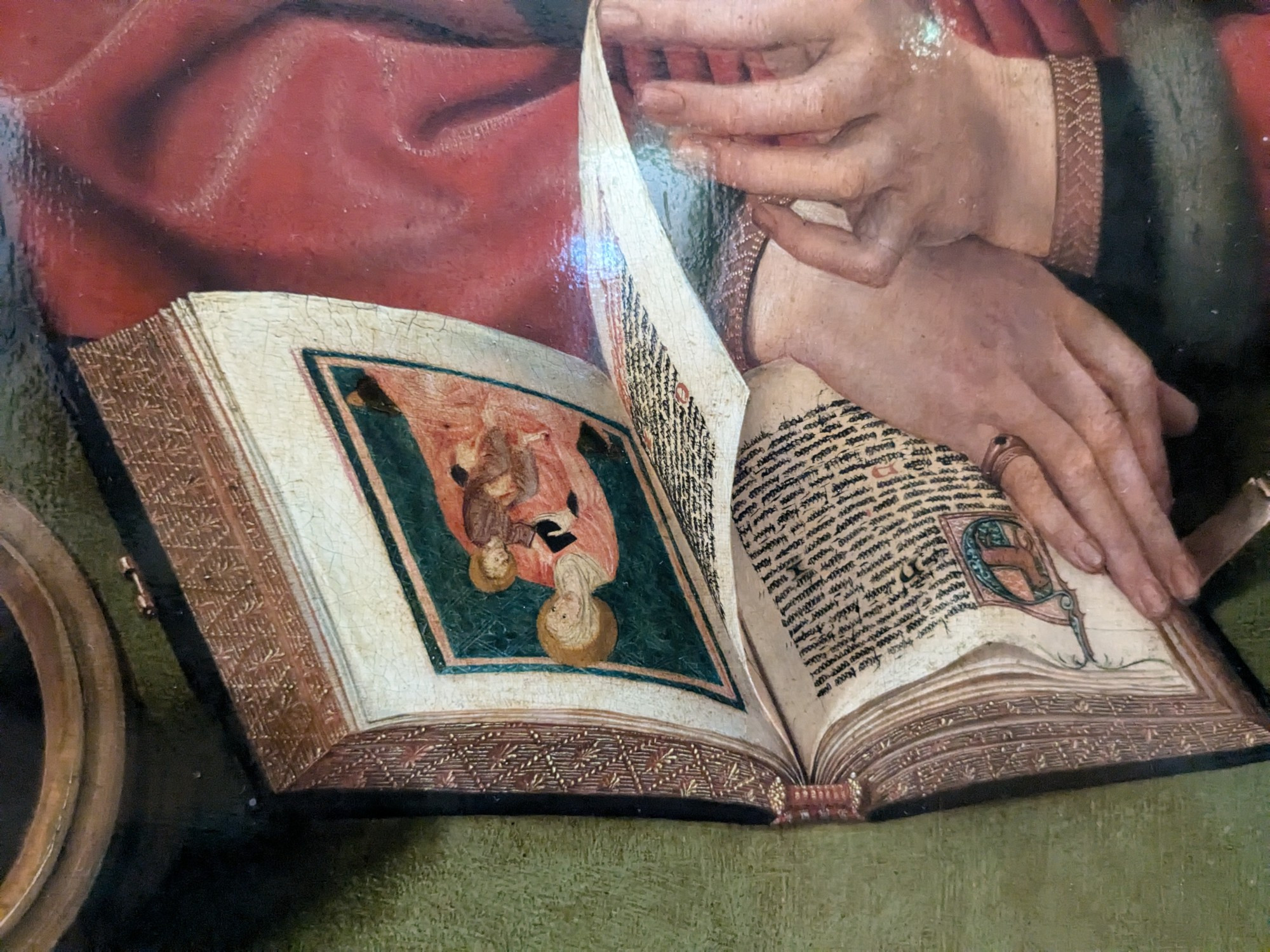
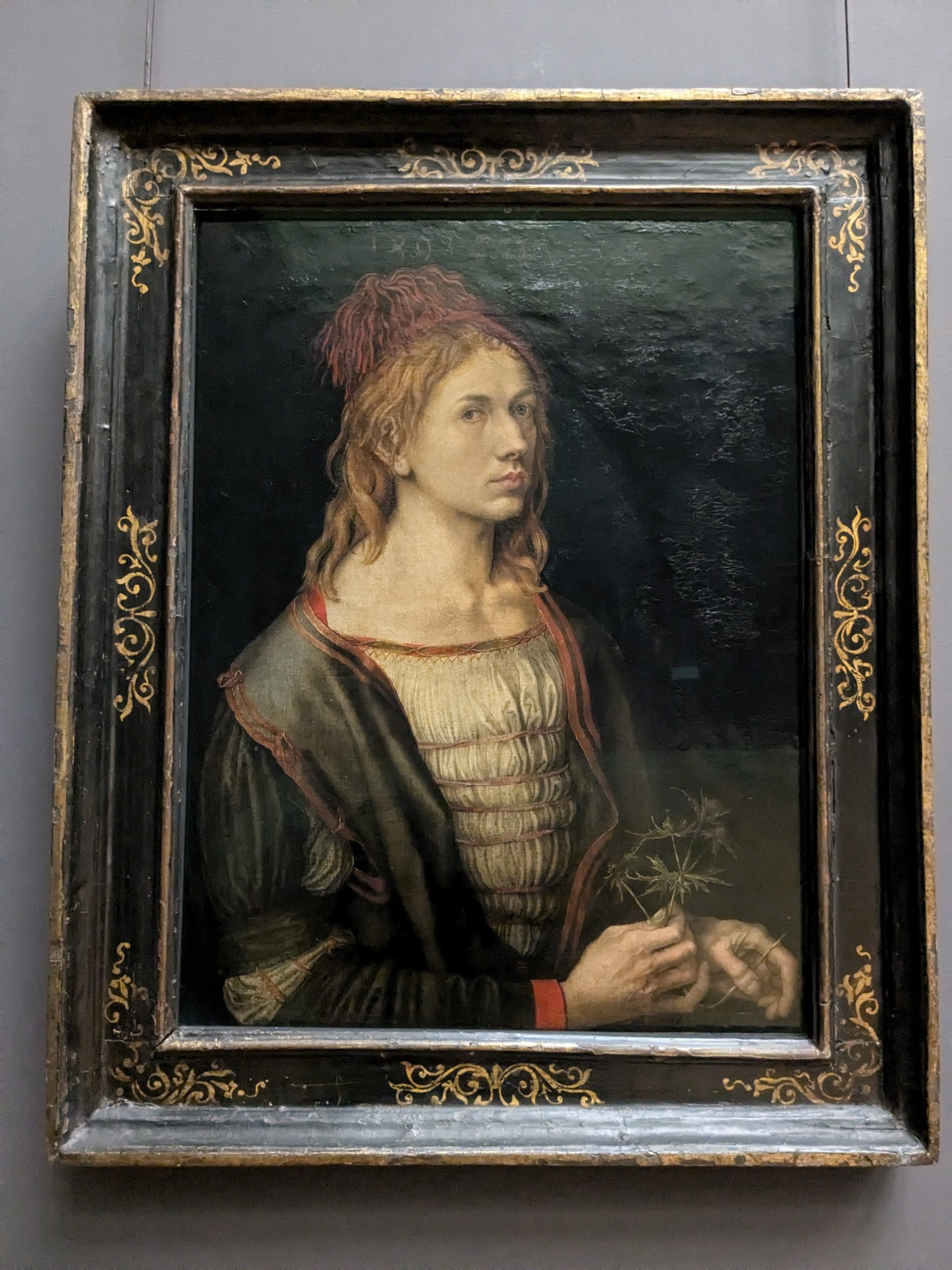
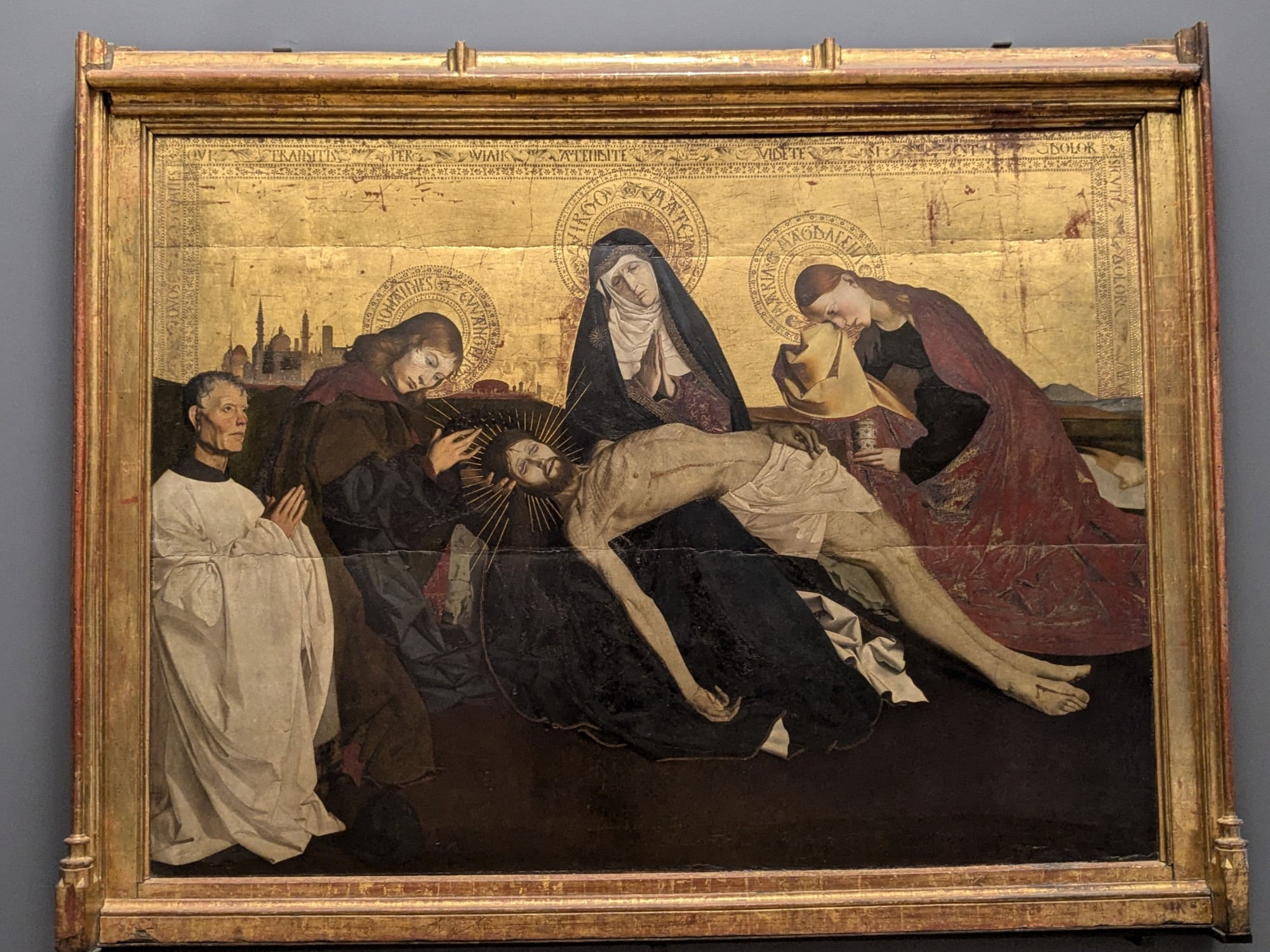
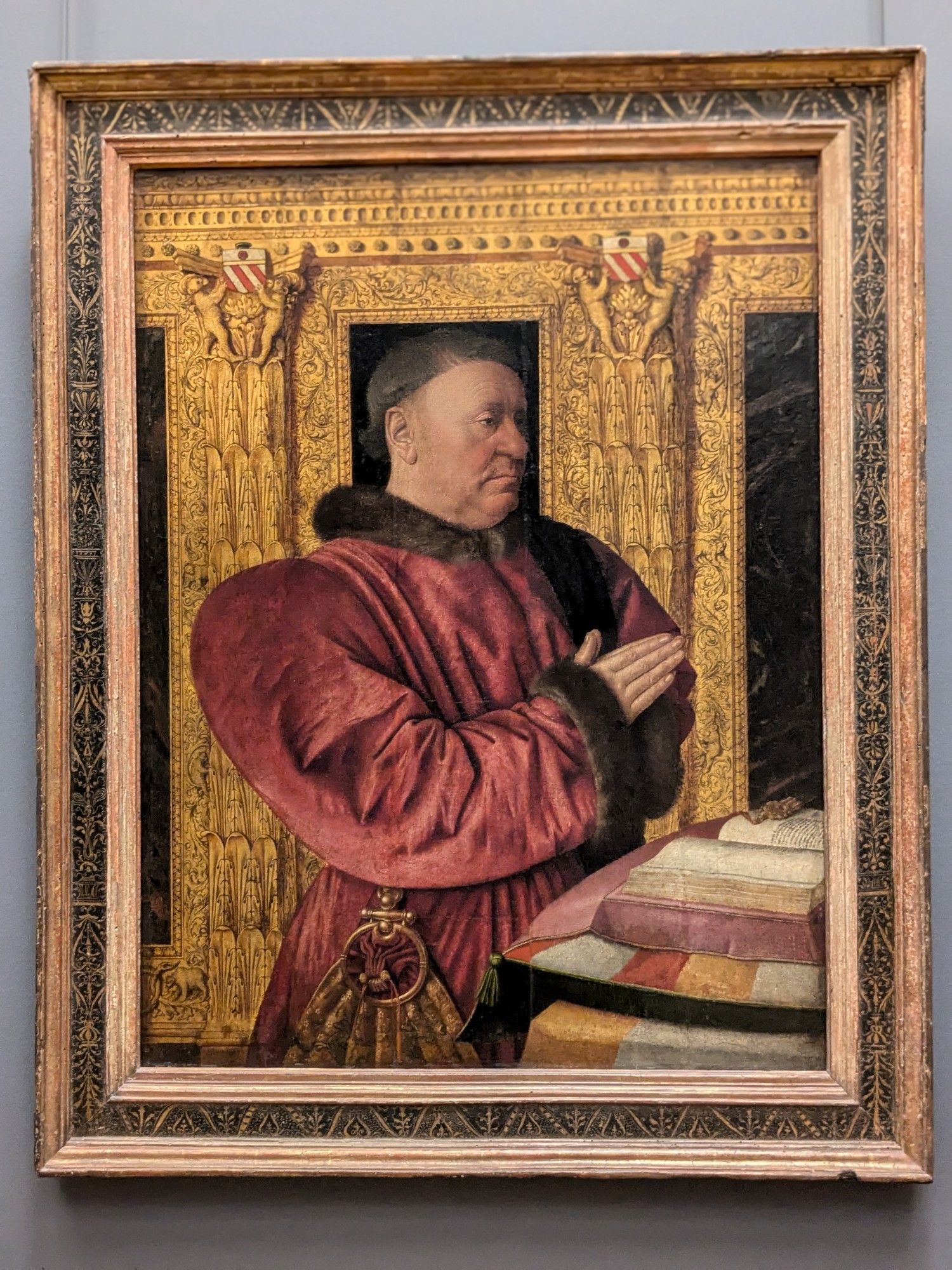
…actually I was completely overwhelmed by treasures, but solo research trips mean you can be completely selfish about finding the things you need to see! I took the opportunity therefore to seek out many works that appear in my lectures and seminars and it was a fantastically indulgent afternoon. [Quentin Matsys, The Money Changer and His Wife, 1514; Albrecht Dürer, Portrait of the Artist Holding a Thistle, 1493; Enguerrand Quarton, Pietà of Villeneuve-lès-Avignon; Jean Fouquet, Guillaume Jouvenel des Ursins, 1460-65].
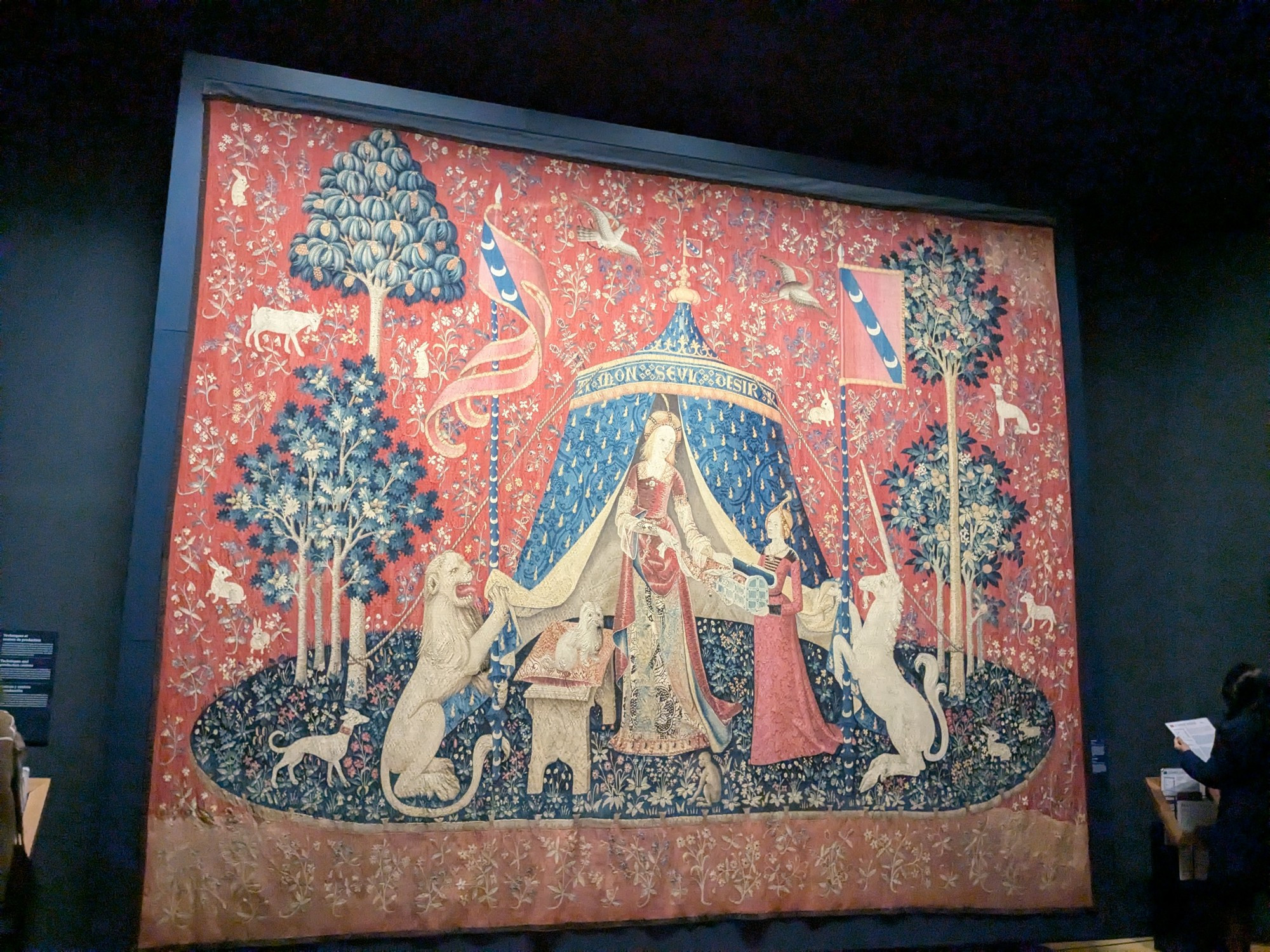
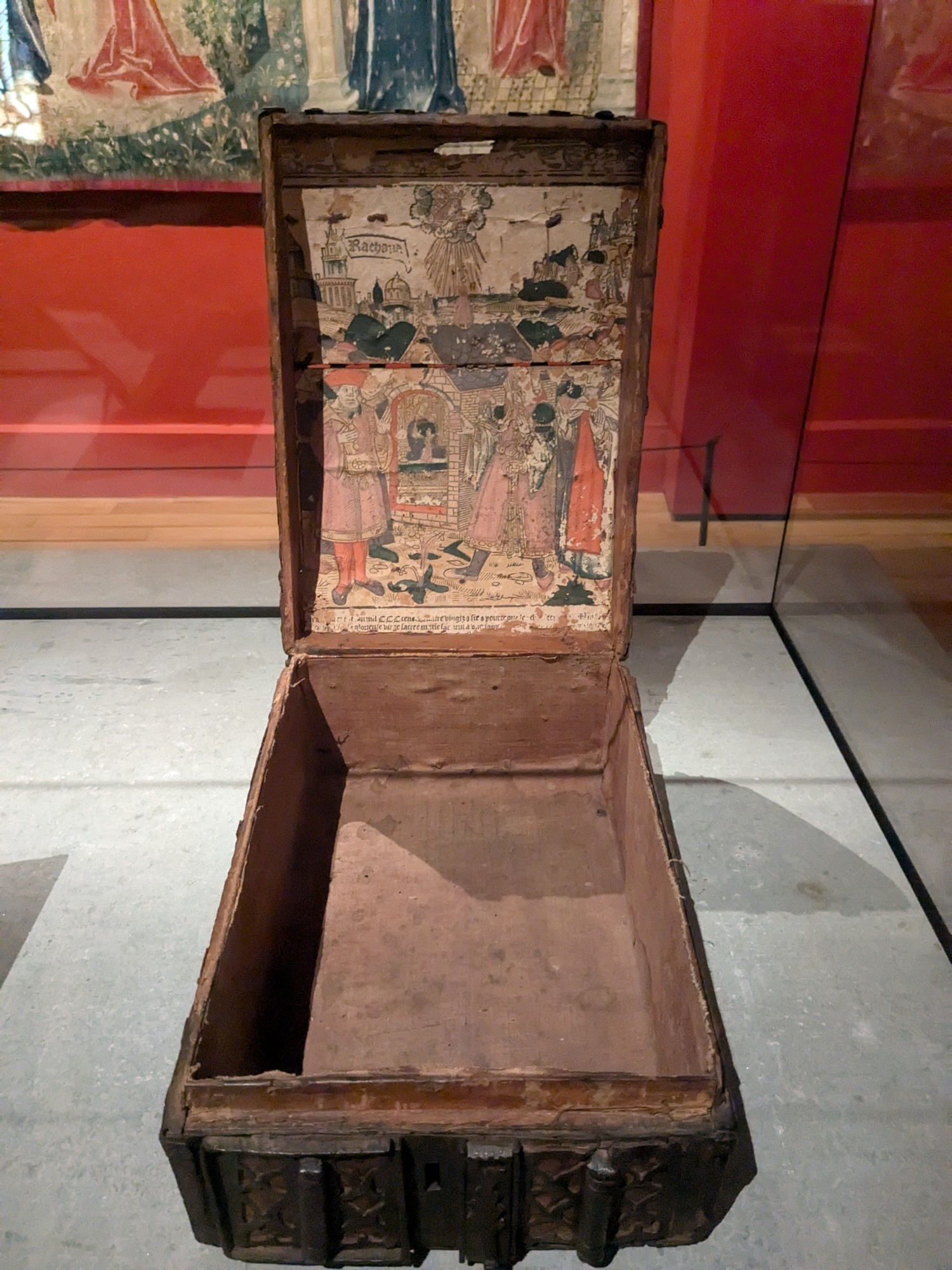
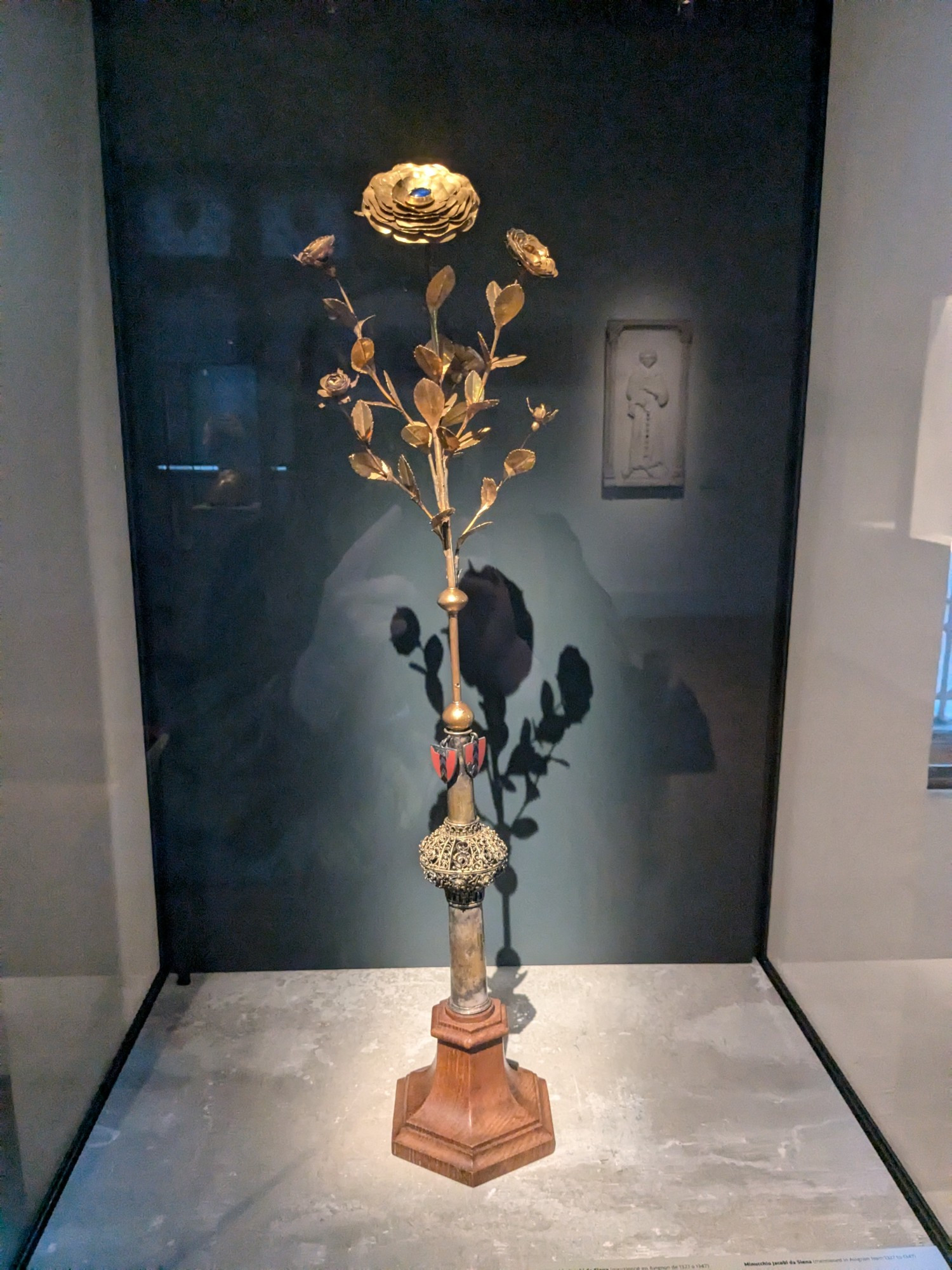
I also managed to squeeze in a slightly hurried trip to the Musée de Cluny. This was important since I knew that it would be closed the next day. I had again an imperative to see the unicorn tapestries – subject of another seminar next semester and a few other delights as well!
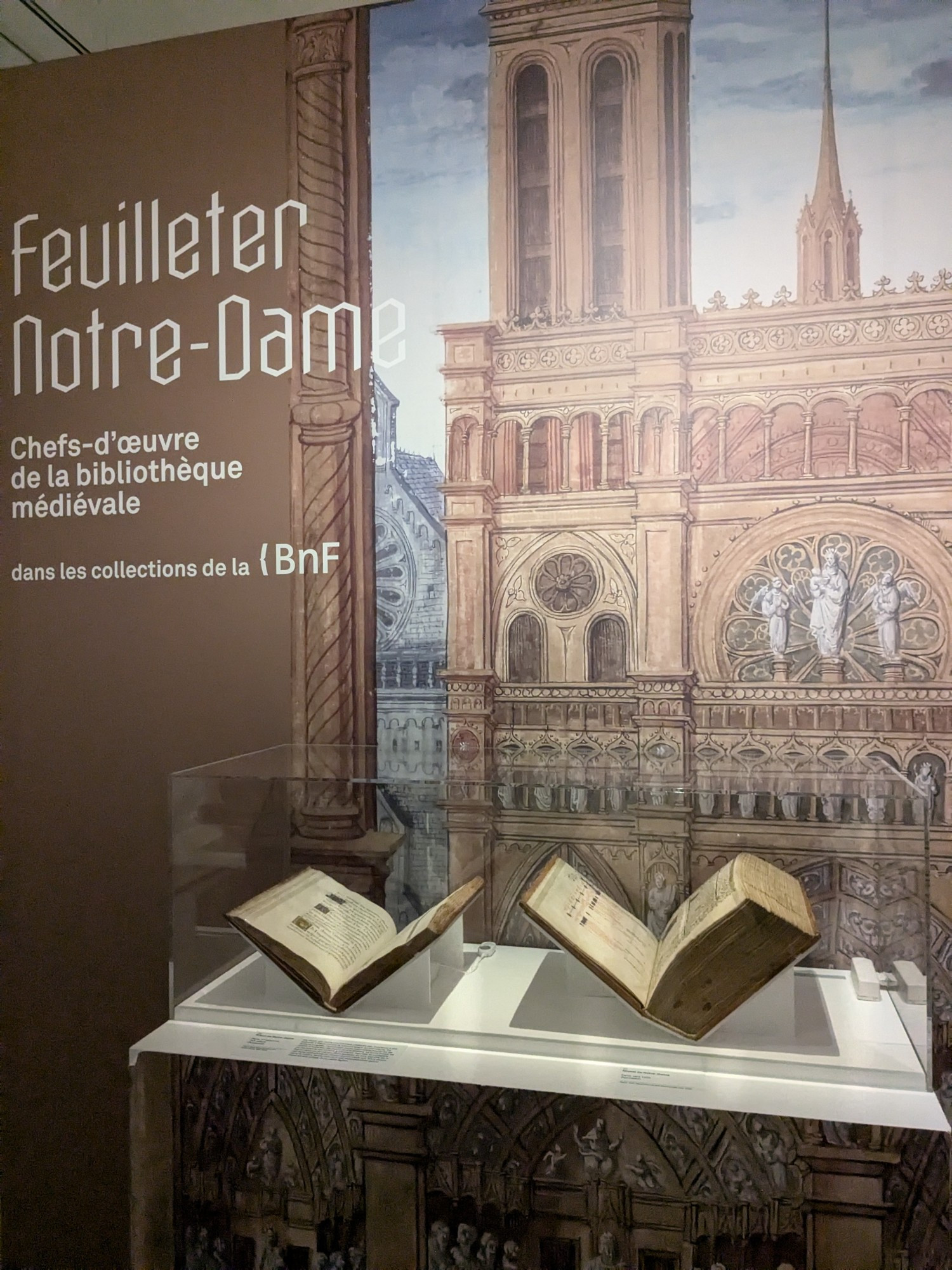
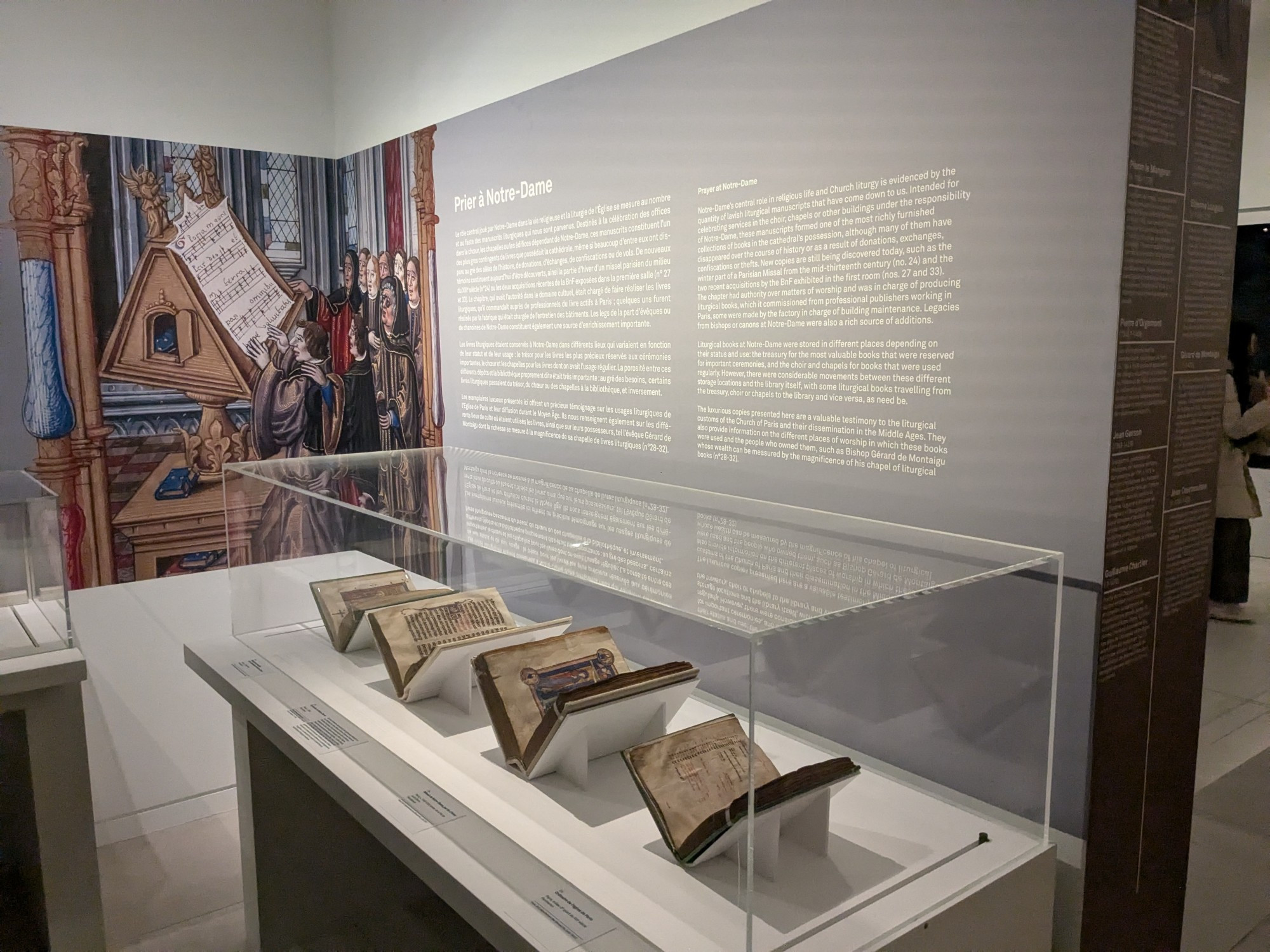
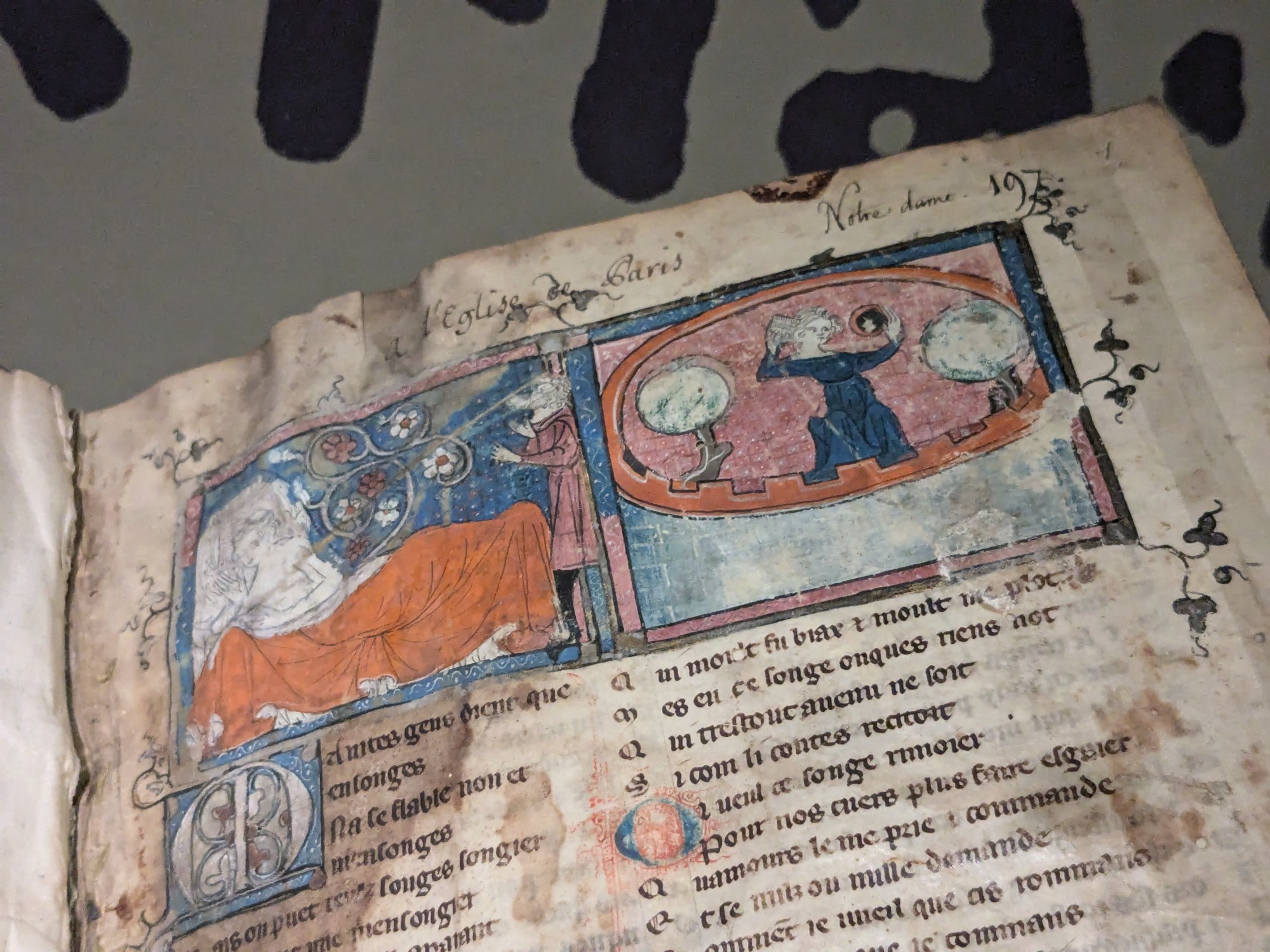
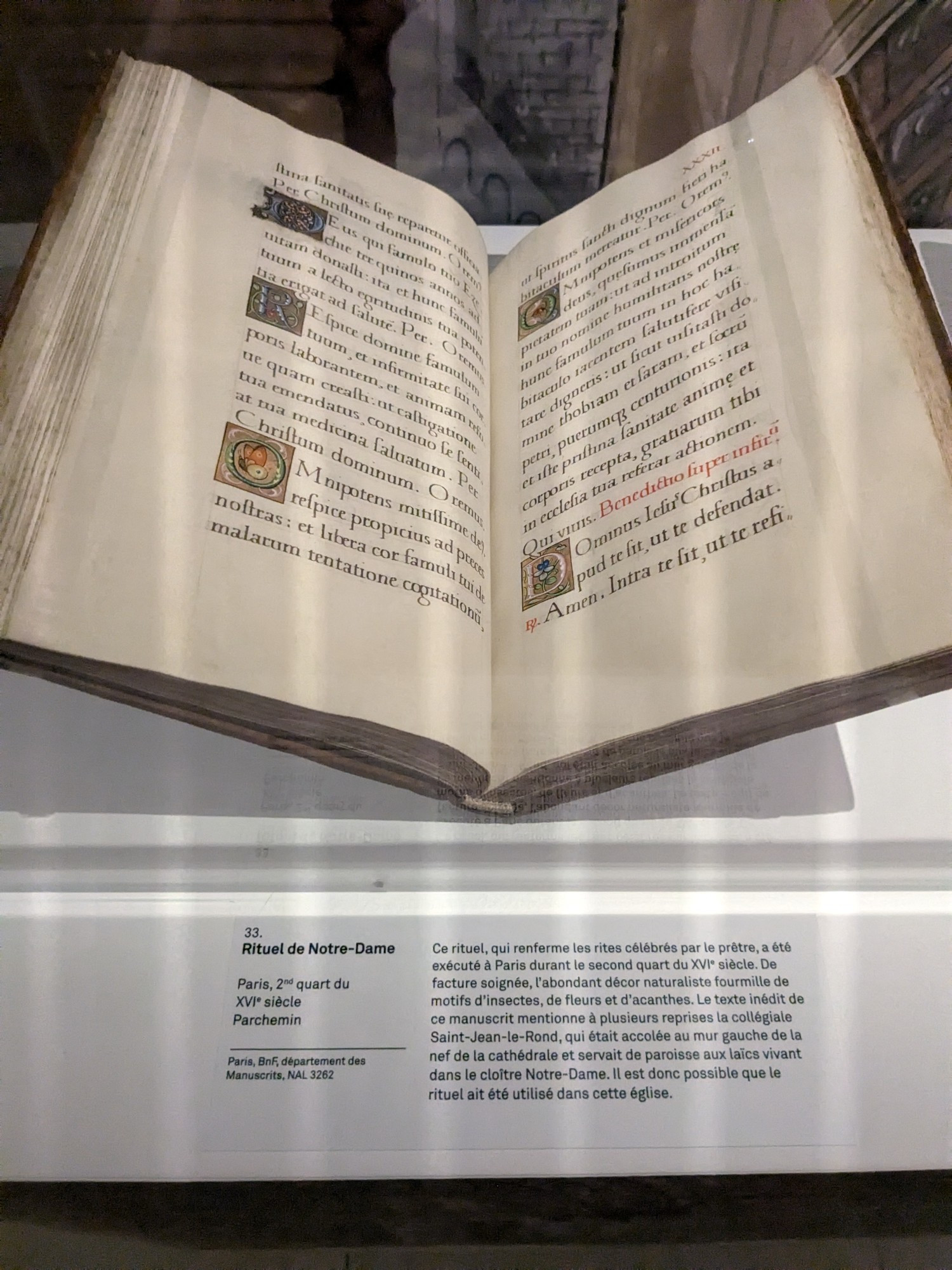
Fortuitously, I also managed to catch the brilliant temporary exhibition: Feuilleter Notre-Dame looking at the manuscripts held at Notre dame ✨
Since 1756 most of Notre-Dame’s medieval manuscripts – some 300 documents – have been stored at the BnF. And now the Musée de Cluny exhibition is revealing the richness of this collection through a curated selection of around 40 documents. In addition to precious medieval manuscripts from the Department of Manuscripts and the Bibliothèque de l’Arsenal in Paris (part of the BnF), it features two illuminated pages from the Musée de Cluny’s collections, five chapter registers documenting the cathedral’s book management; three manuscripts and a map on loan from the Archives nationales, as well as an illuminated manuscript from the Archives historiques de l’Archevêché. Structured around four key themes – library management, text books, witnesses to worship and the future of the medieval library in modern times – the visitor journey offers a snapshot of the cathedral’s rich intellectual, artistic and religious life during the Middle Ages.

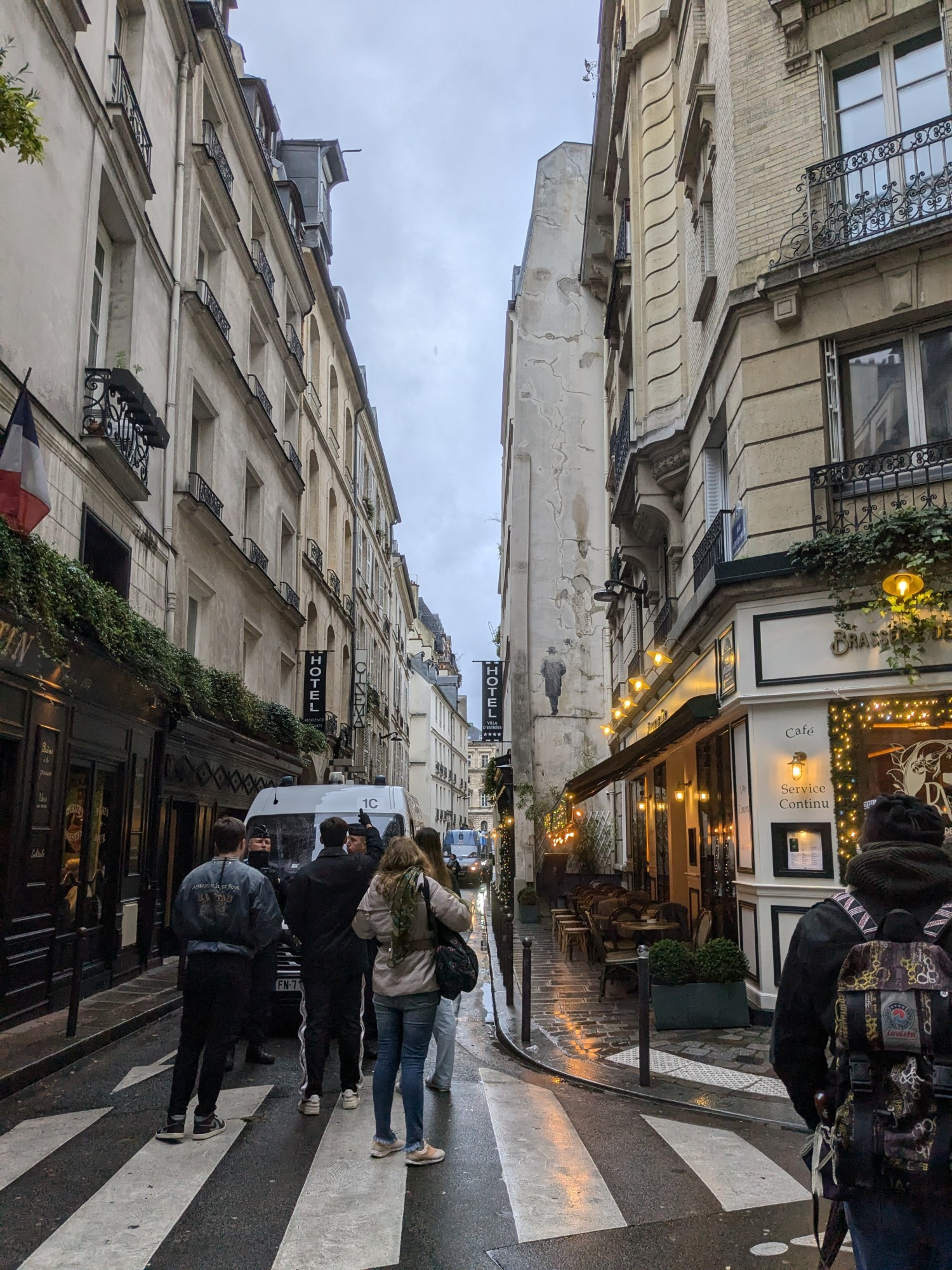
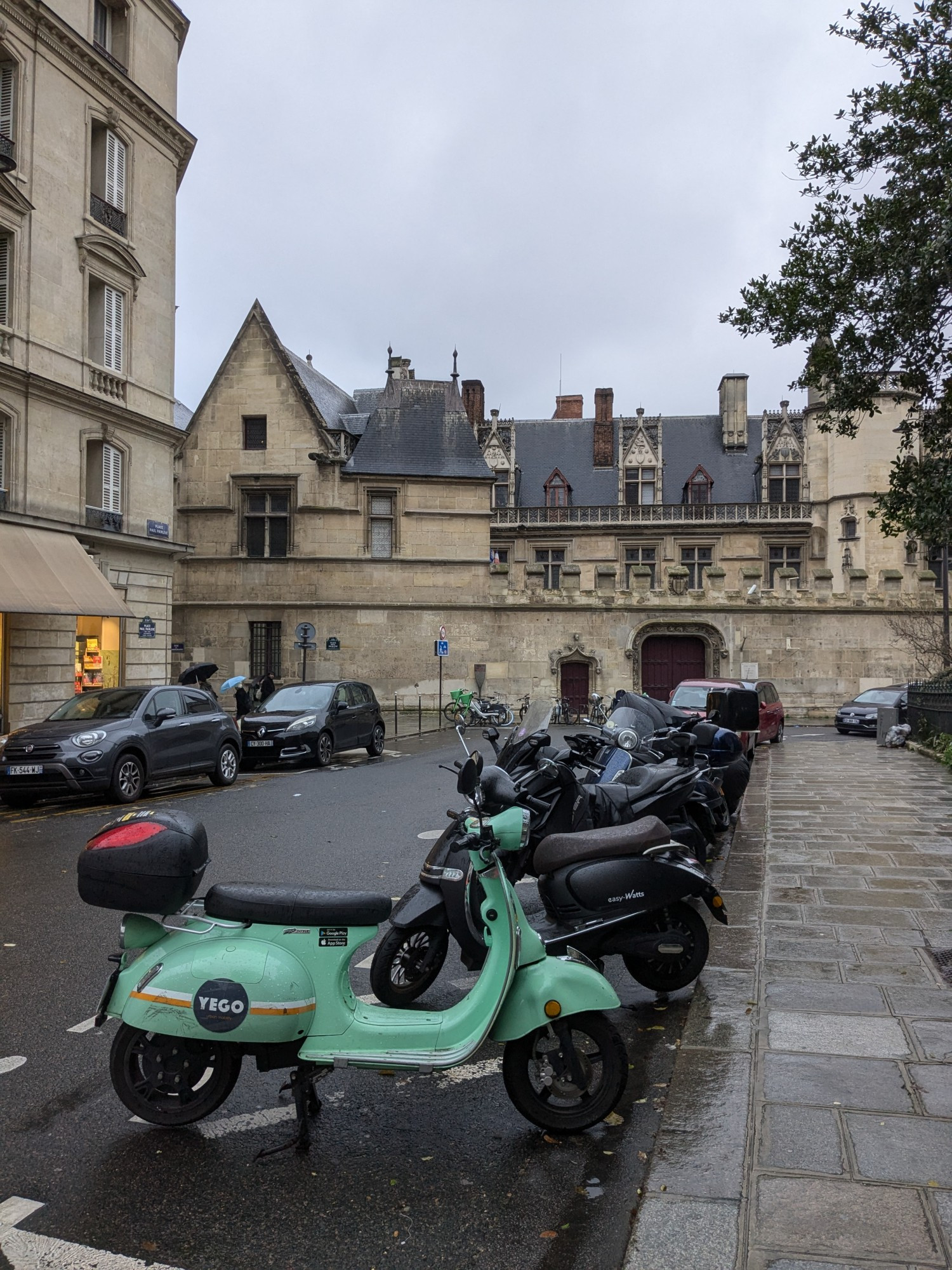
In terms of practicalities: I slipped up by forgetting to pack a plug adaptor, but I was saved by the kind people where I was staying, who managed to find one for me🙏. Since much research requires taking research images on my phone, this was hugely appreciated. I had packed extremely lightly for the few days that I was there, meaning that I could run straight from the airplane ✈️ to the museum without finding somewhere to leave my bags. This was definitely a good idea and something I would advise when you are on a tight schedule.
Day 2 was, however, the big work day and I was apprehensive about achieving all that I had set out to do.
Day 2:
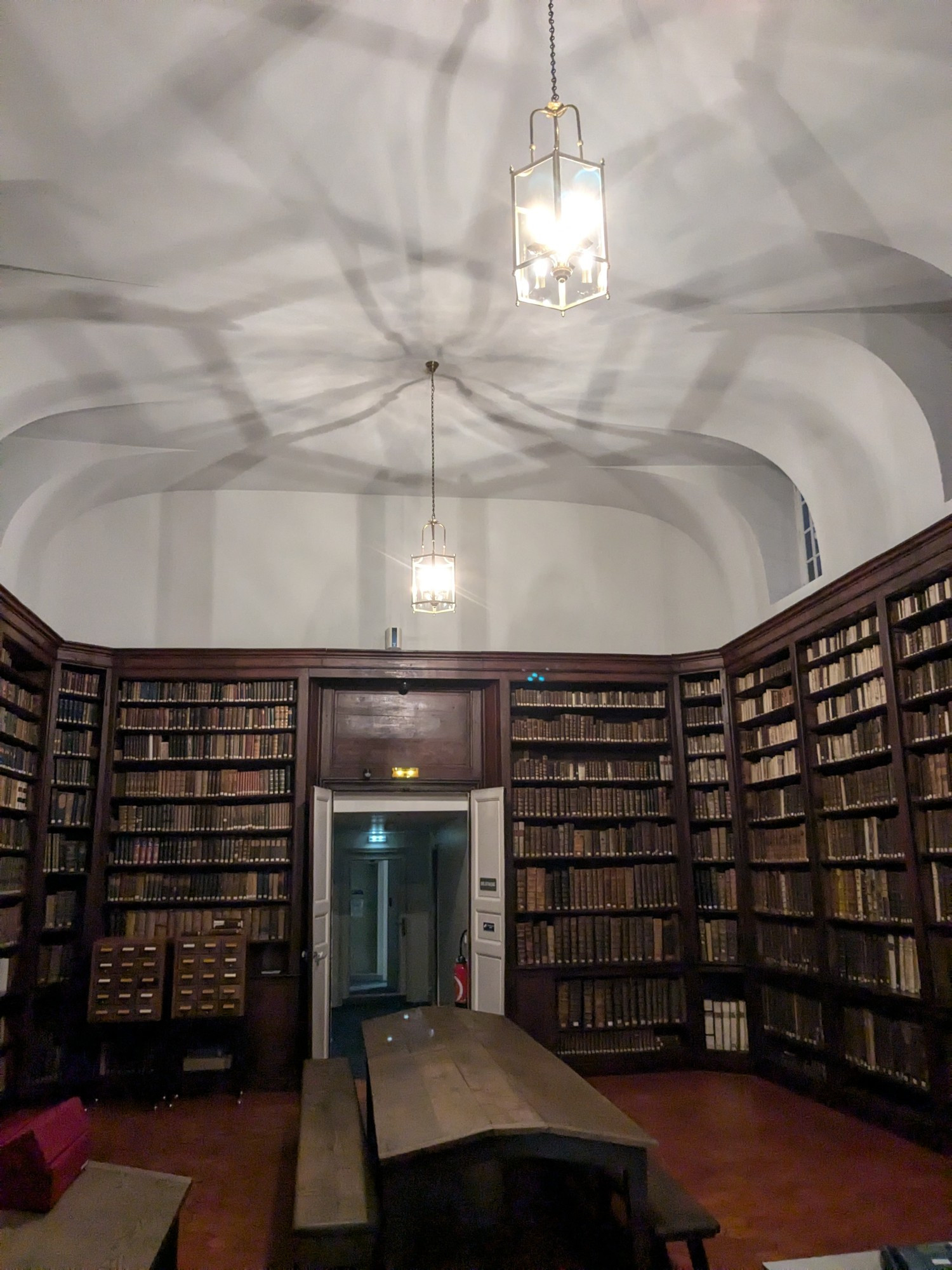

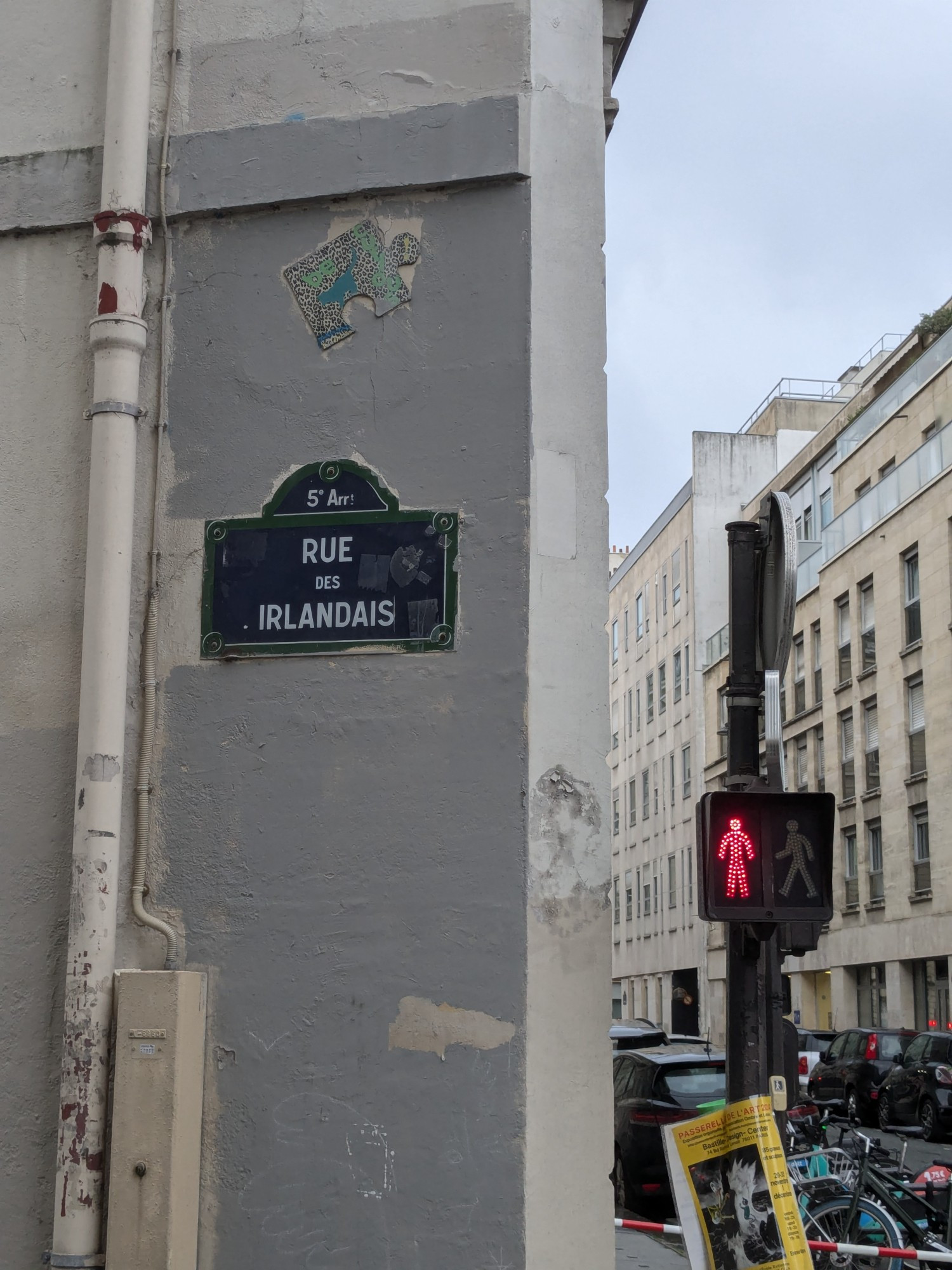
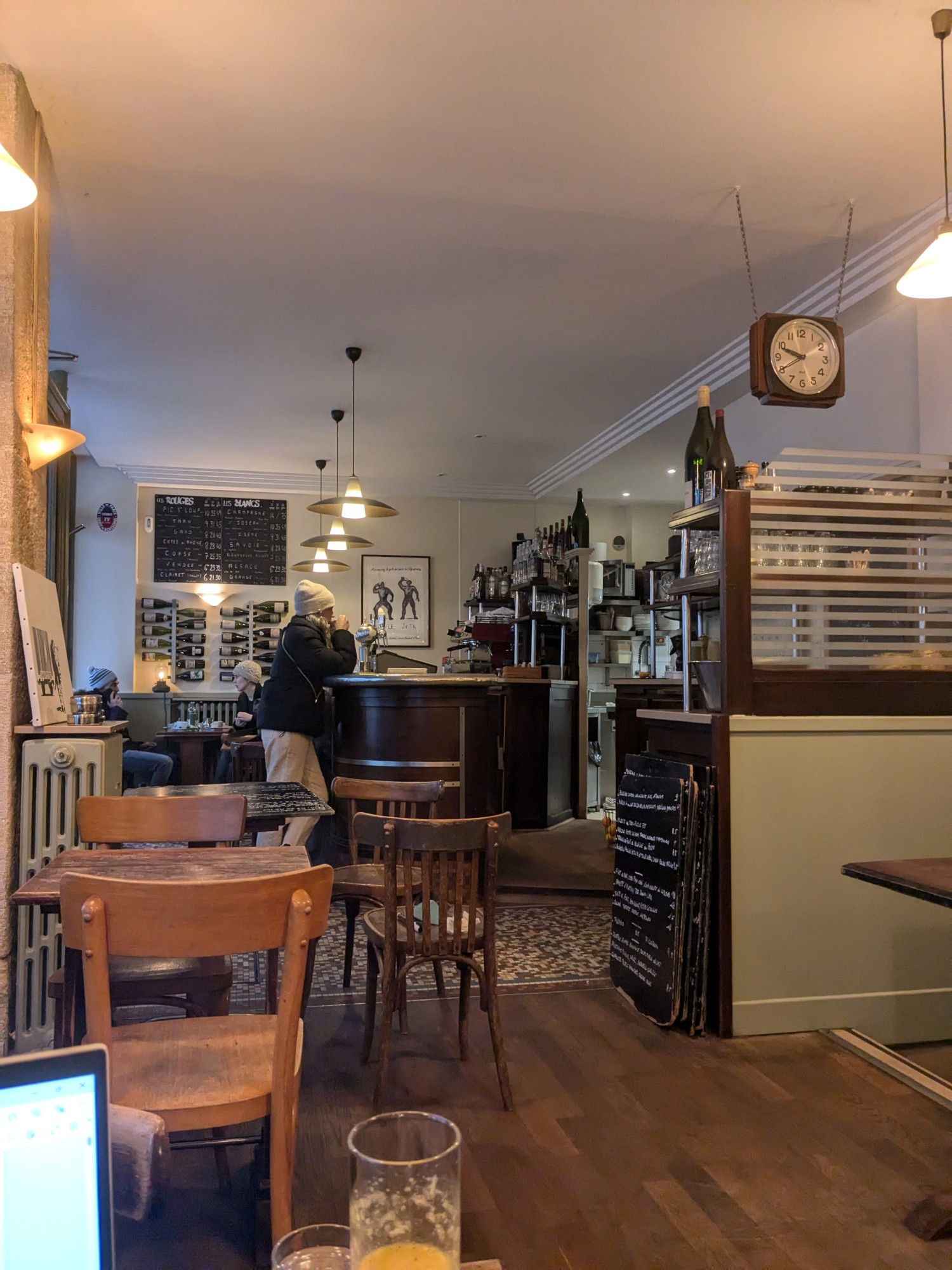
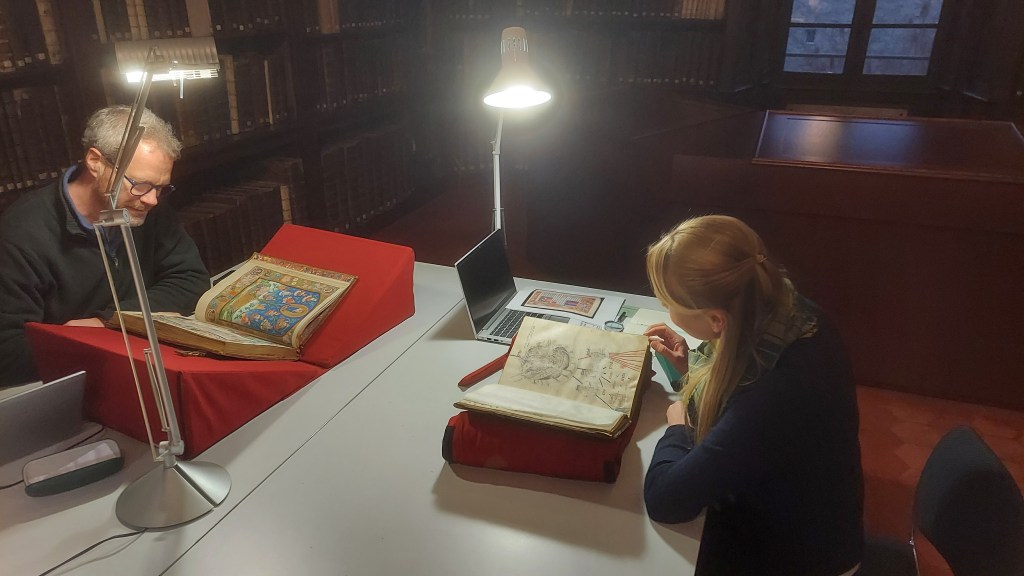
Day 2 began with coffee at Café de la Nouvelle Mairie, 19 Rue des Fossés Saint-Jacques, with another manuscript enthusiast, before I headed to spend all day at the Centre Culturel Irlandais….
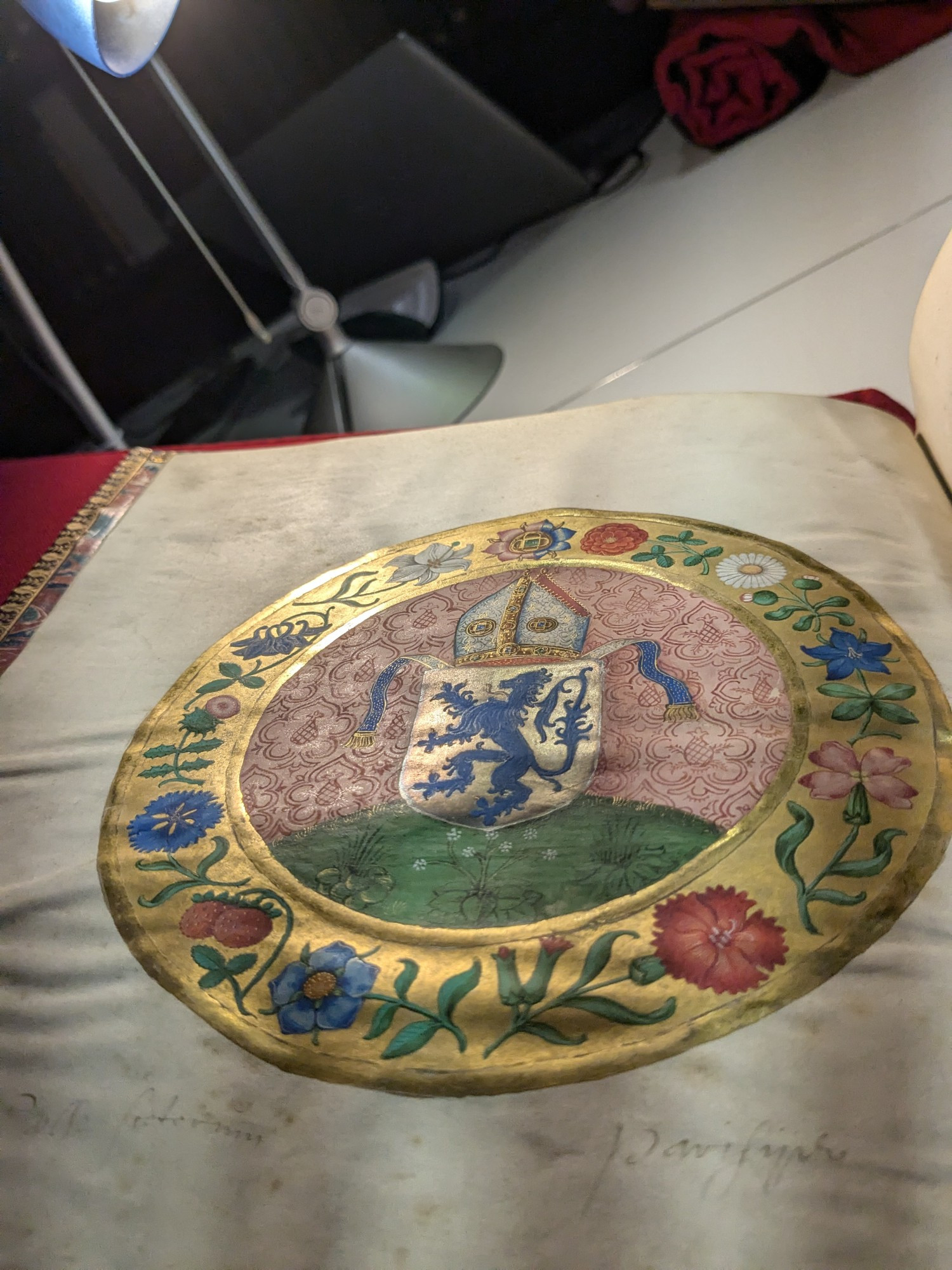
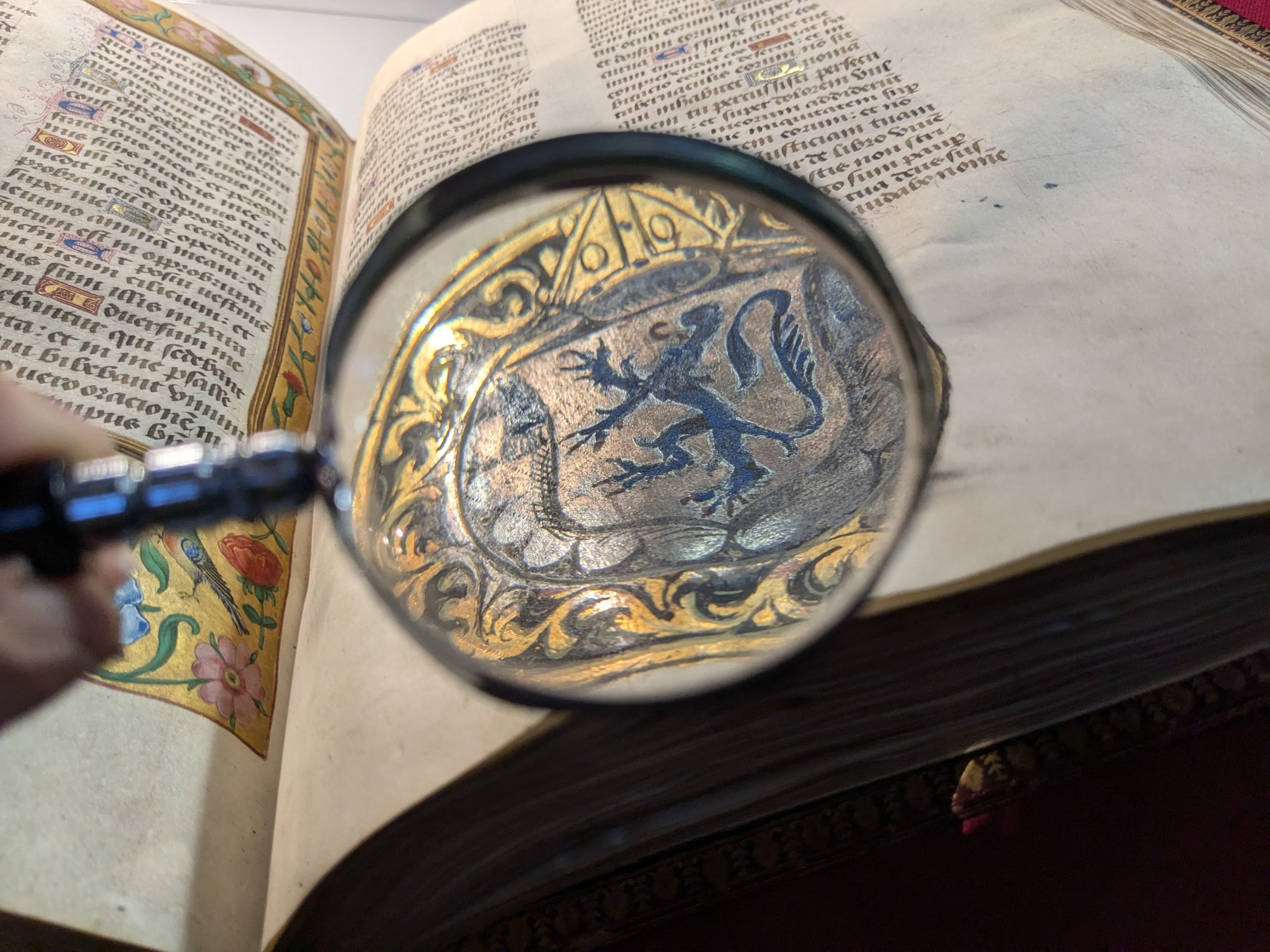
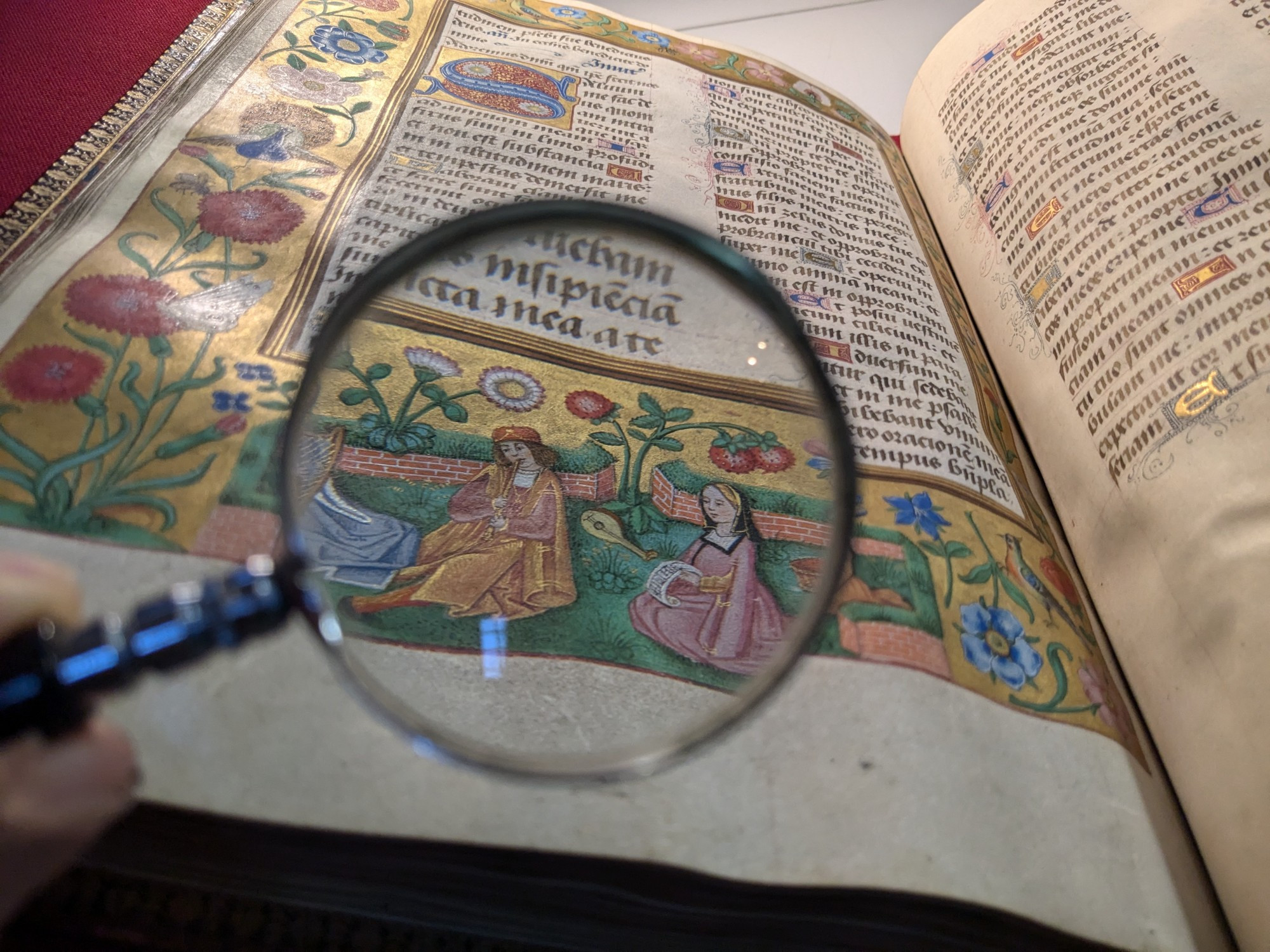

And oh the treasures within…. I did have a very clear idea of what I was coming to work on, but this was a very good example of how extraordinary it is to really examine manuscript material at first hand. The discoveries that we made would not have been possible without being able to consult the manuscript in person and discuss our findings. I did, however, spend seven hours in a stone library with no heating at 11 degrees and it was very chilly indeed! I had been warned to wear warm clothes! 🥶
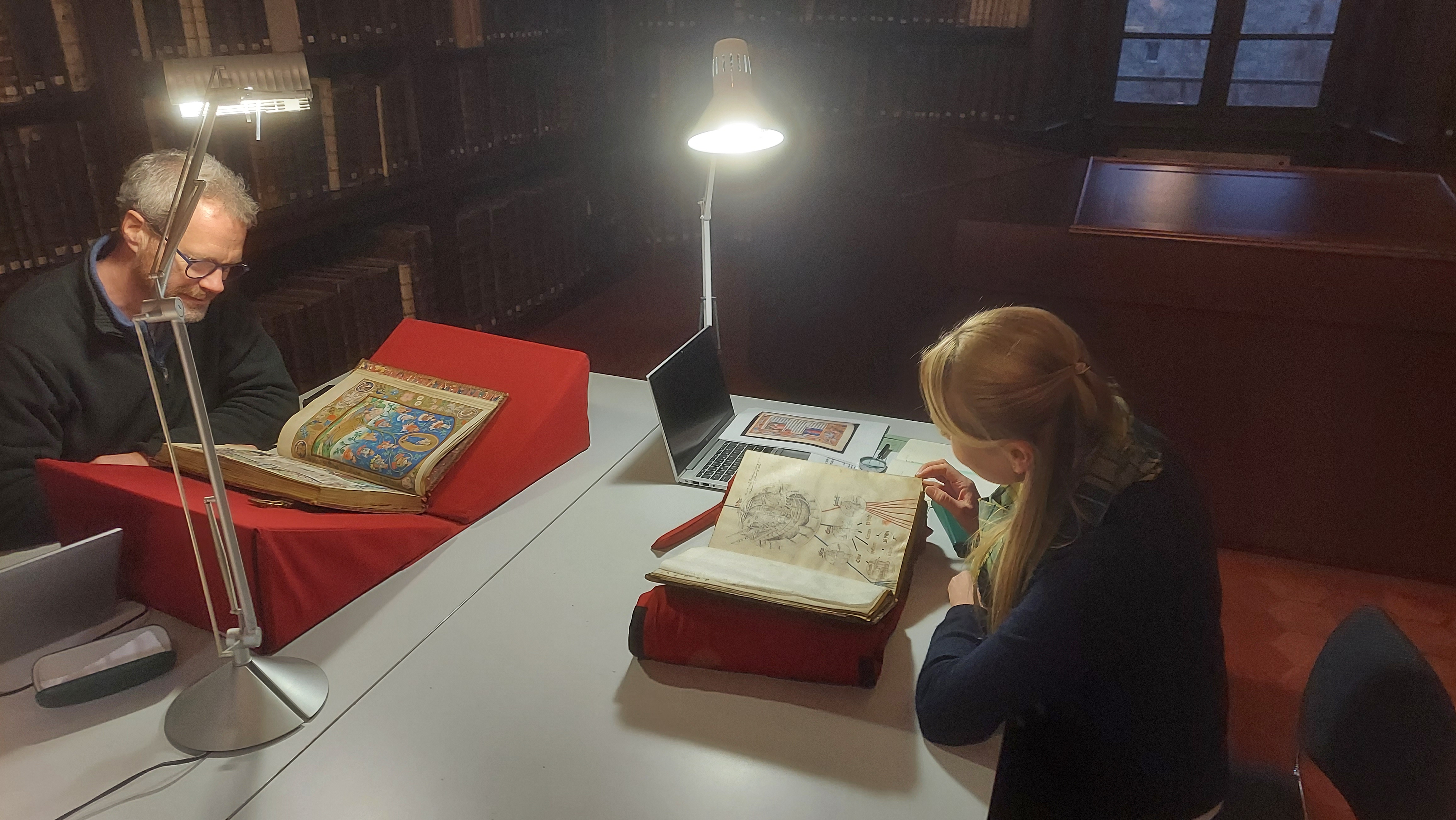
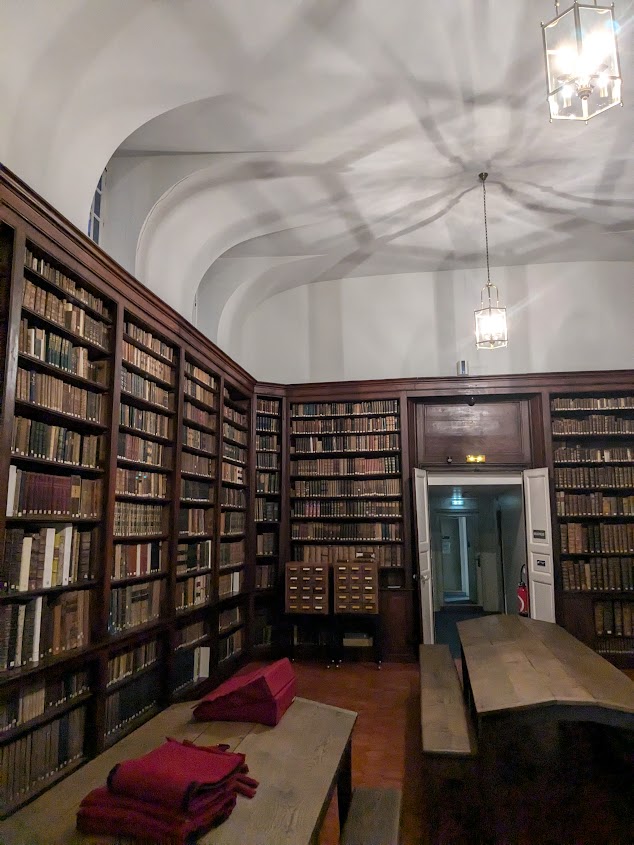
This was an extremely useful research trip. I consulted three manuscripts and some binding fragments and believe that we have made some significant discoveries – to be revealed soon!
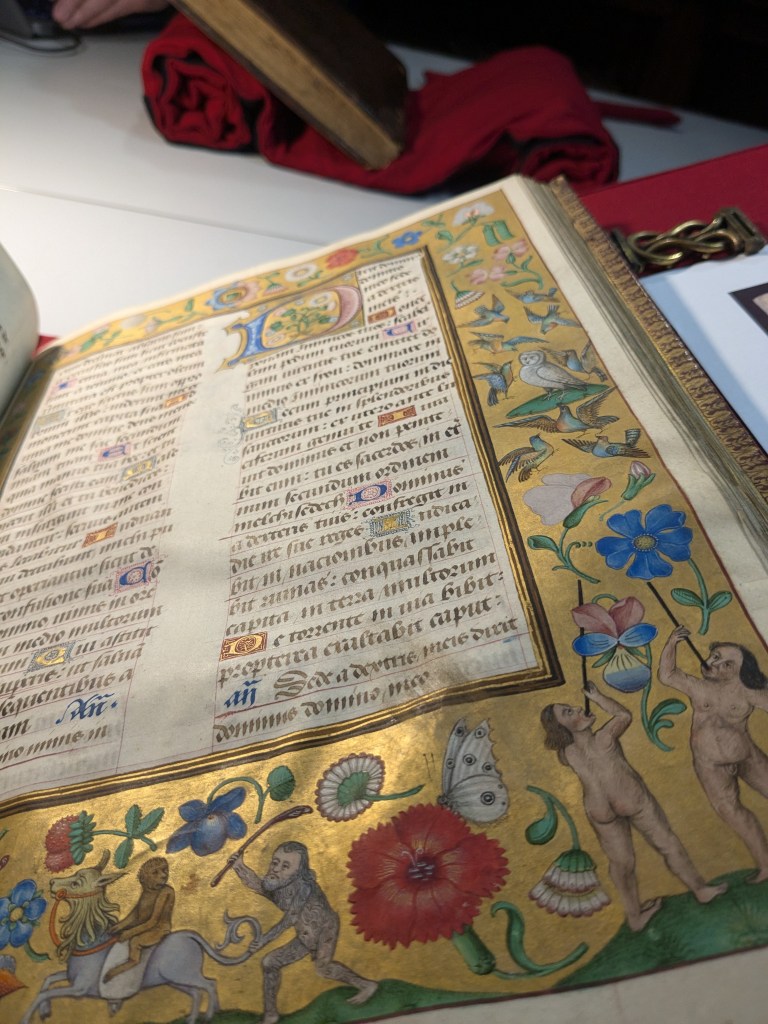
It is very hard to convey in words the joy of working in-person on this type of material. The feeling that you might have discovered something new and might be able to explain issues that have been misunderstood for hundreds of years is hard to describe. This was a hugely important research trip for me and I look forward to writing up the findings very soon.
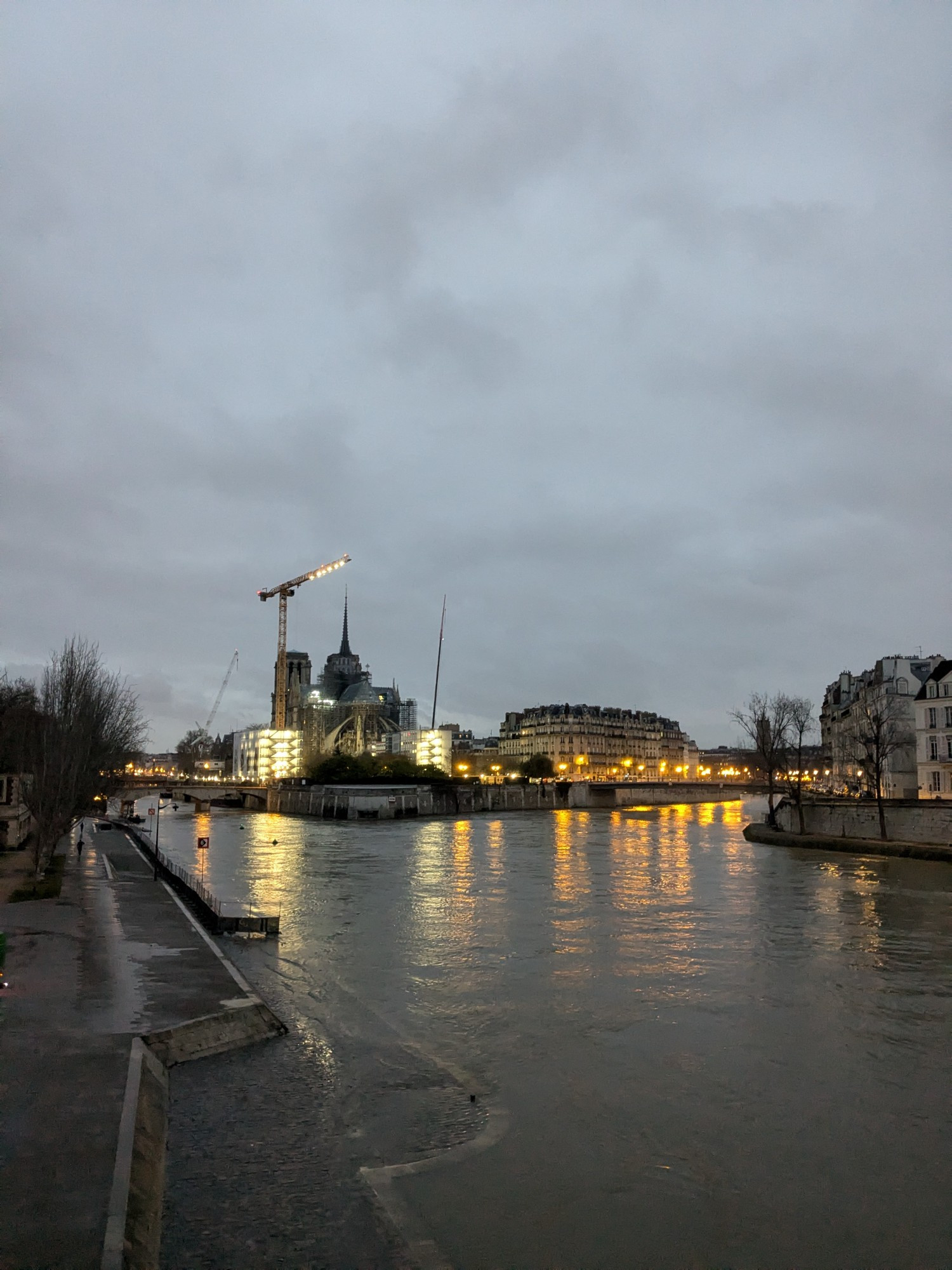

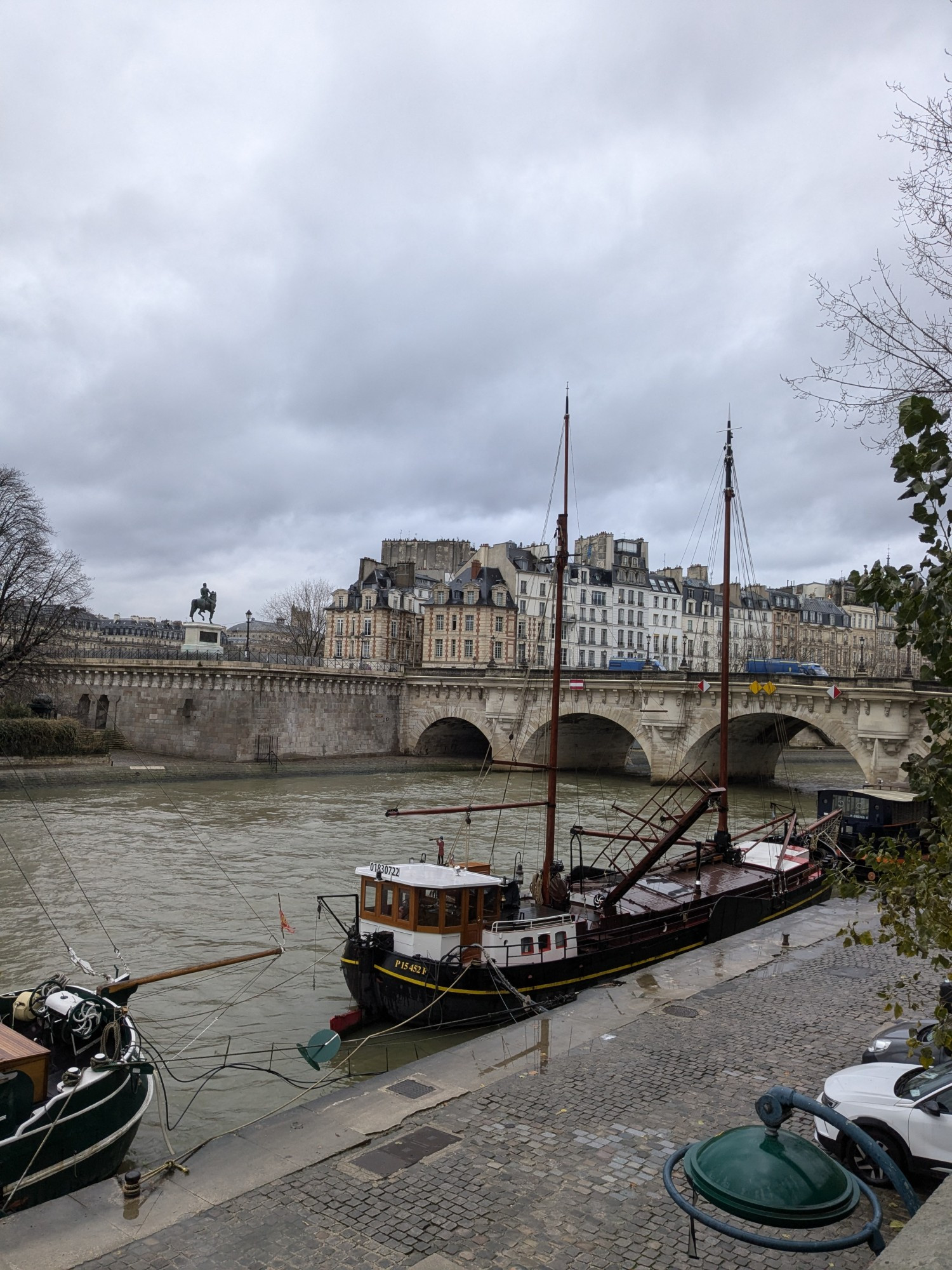
It was incidentally wonderful to see the newly restored Notre Dame (although I did not manage to see the inside this time – given that it was opening weekend, all of the tickets were already sold out).
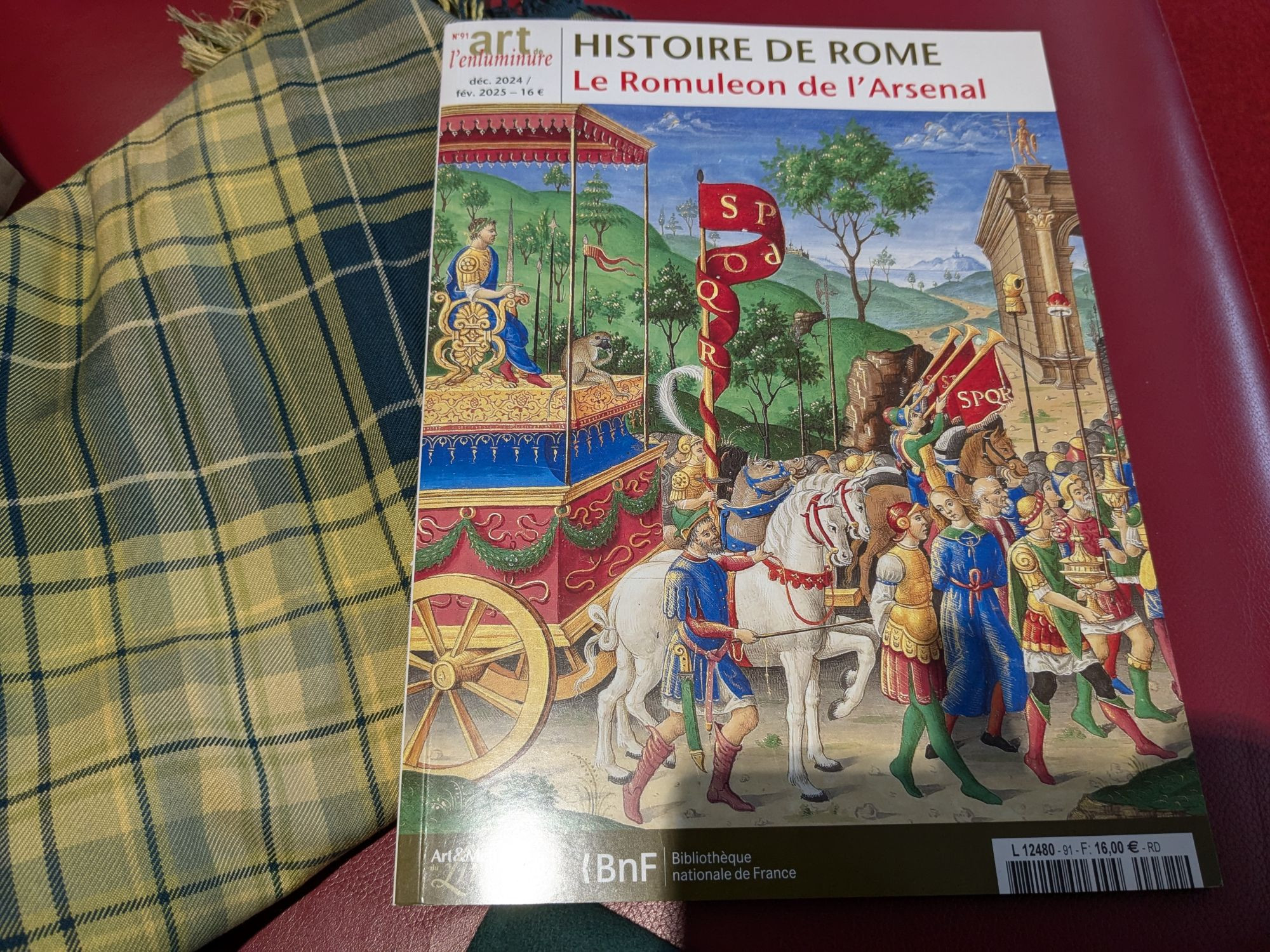

And one final reason to love France (if any more were needed): you can pickup some reading material on medieval/early-modern manuscripts in the airport – everywhere should be like this 📚✨
And I almost forgot to mention I saw one of my favourite paintings at the Louvre: Jan Provost’s ‘Christian Allegory’ just so wonderfully bizarre….
 Bryony Coombs
Leave a comment